


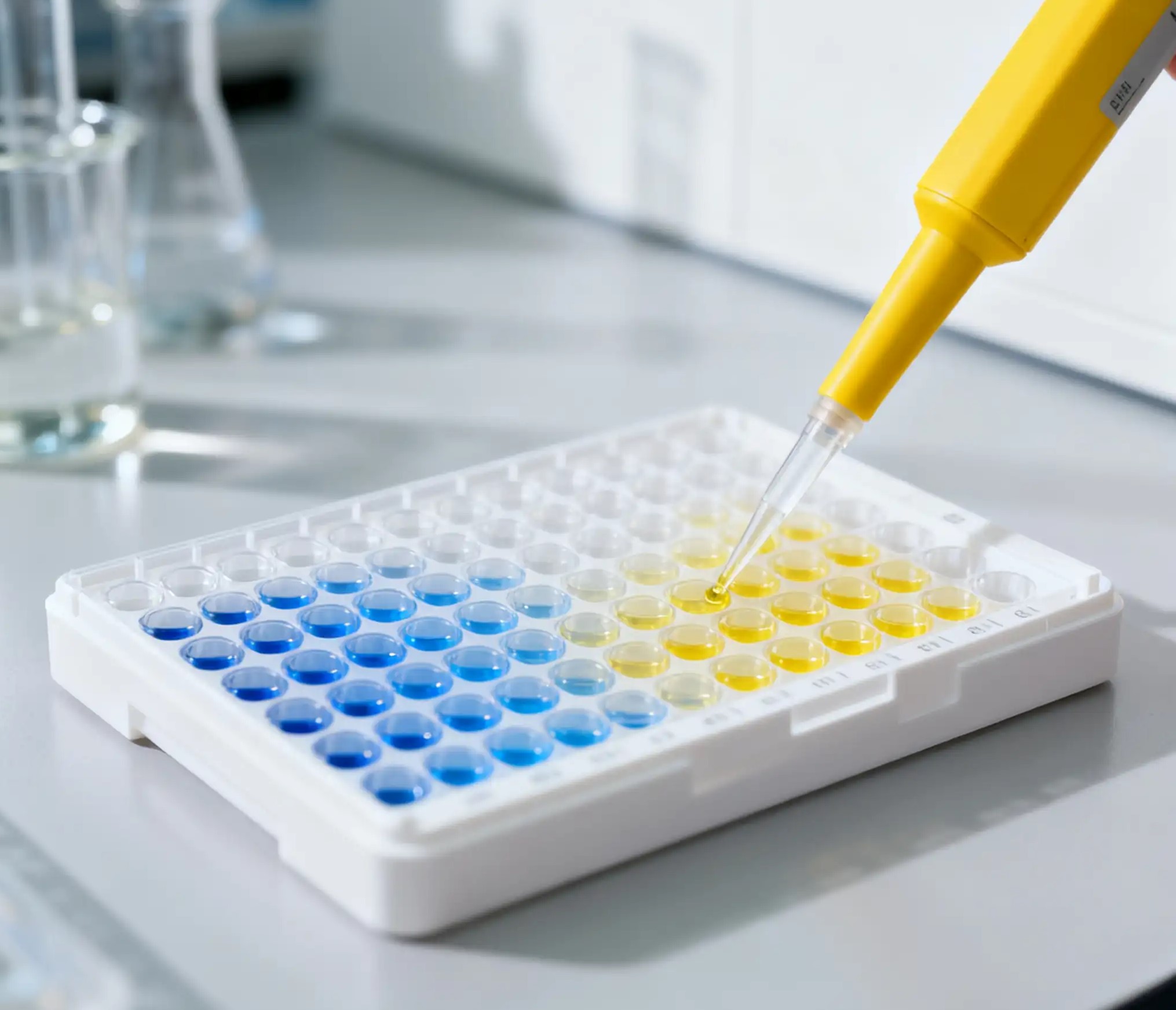
ELISA故障排除指南
High background No signal Too much signal - whole plate turned uniformly blue Standard curve achieved but poor discrimination between points Poor duplicates Poor assay to assay reproducibility No signal when a signal is expected, but standard curve looks fine Samples are reading too high, but standard curve looks fine Very Low Readings Across the Plate Green color develops upon addition of stop solution when using streptavidin-HRP Edge Effects
乙酰化组蛋白
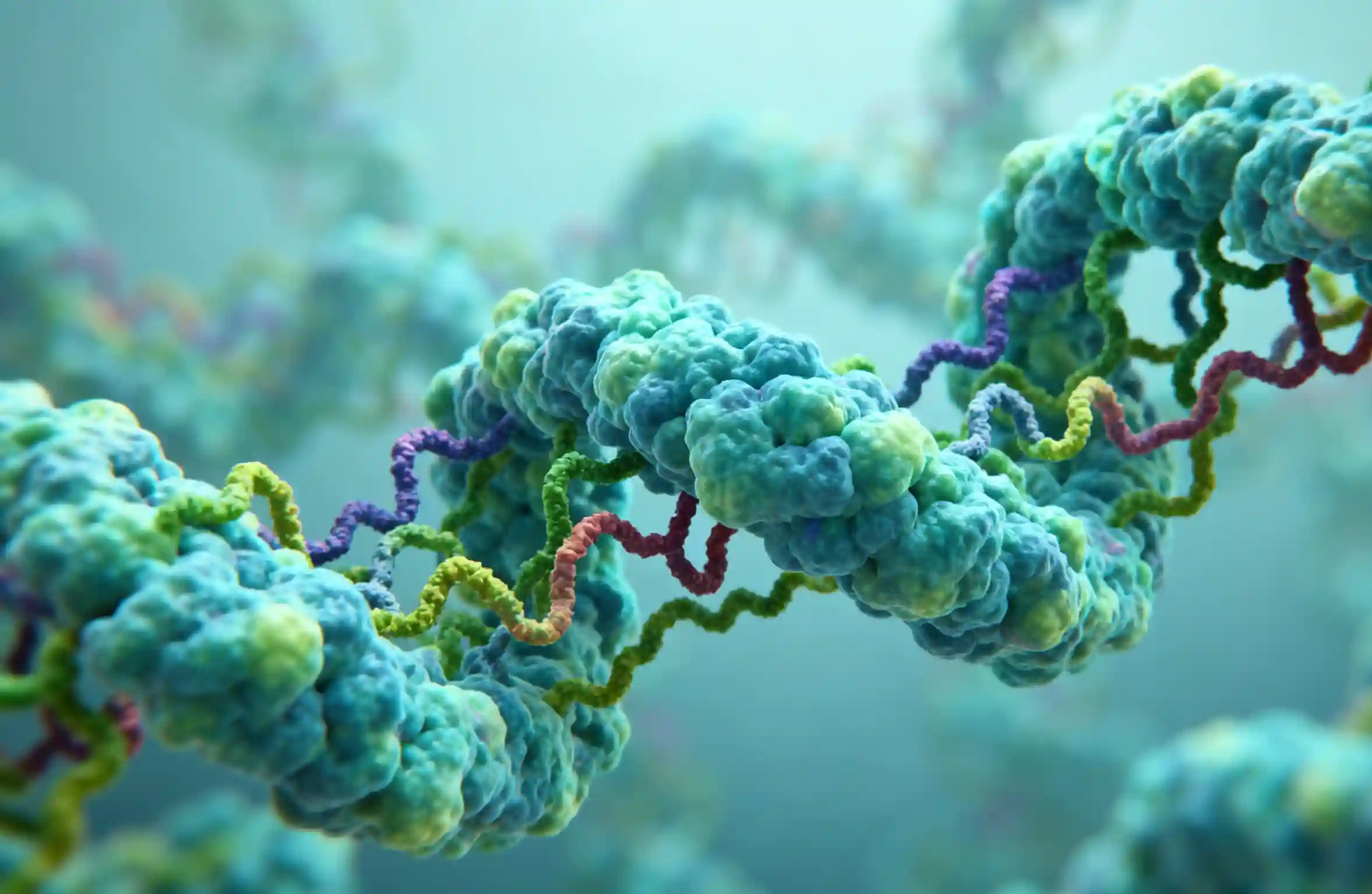
Lysine acetylation is a reversible post-translational modification that plays a crucial role in regulating protein function, chromatin structure, and gene expression[1]. Many transcriptional coactivators possess intrinsic acetyltransferase activity, while transcriptional corepressors are associated with deacetylase activity[2]. In response to signaling pathways, acetylation complexes (such as CBP/p300 and PCAF) or deacetylation complexes (such as Sin3, NuRD, NCoR, and SMRT) assemble to bind to DNA-bound transcription factors (TFs).
乙酰辅酶A羧化酶1和2
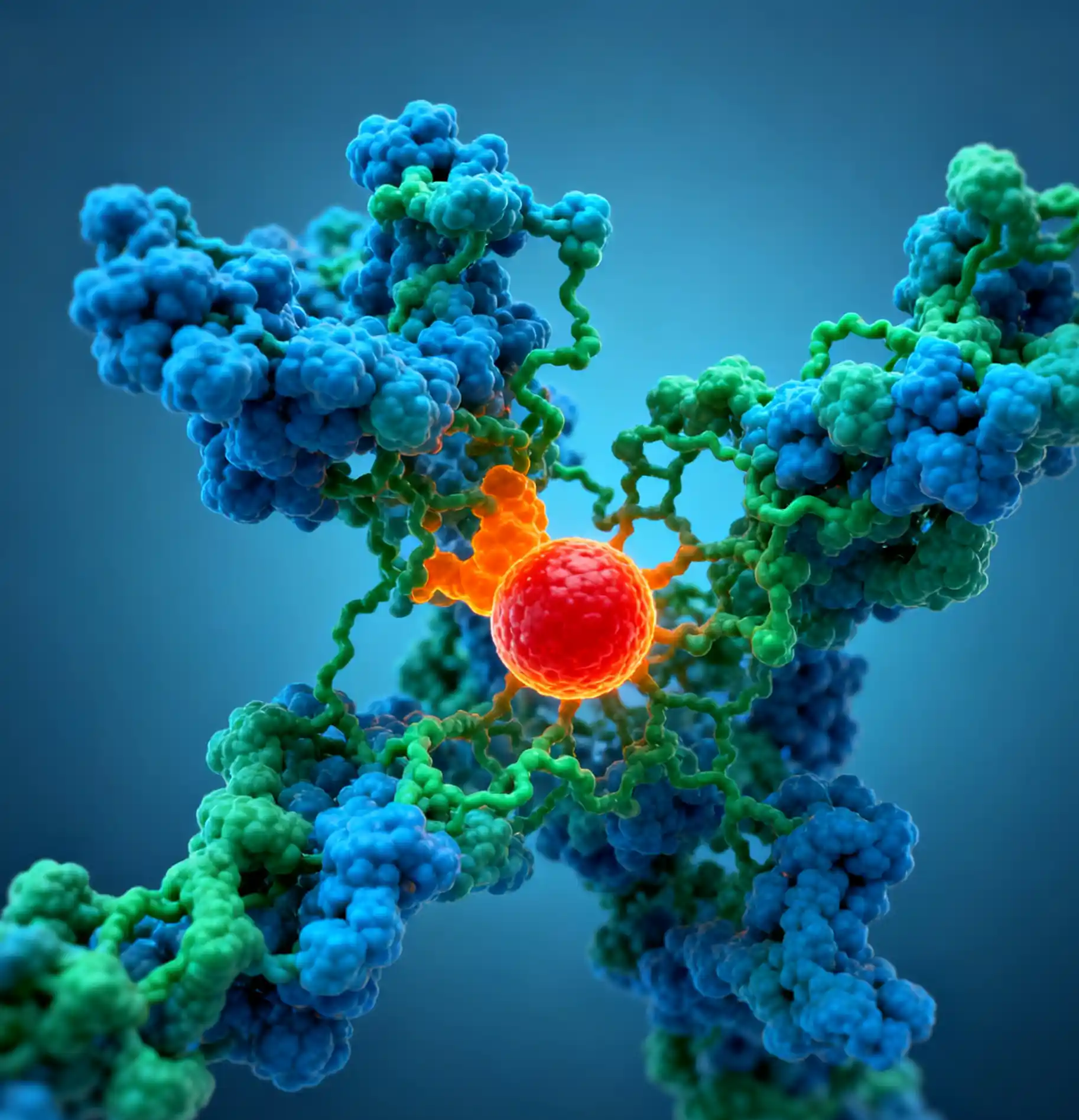
Acetyl-CoA Carboxylase 1 and 2 Acetyl-CoA carboxylases (ACCs) are enzymes that catalyze the carboxylation of acetyl-CoA to produce malonyl-CoA1. In mammals, ACC1 and ACC2 are two members of ACCs. ACC1 localizes in the cytosol and acts as the first and rate-limiting enzyme in the de novo fatty acid synthesis pathway2. ACC2 localizes on the outer membrane of mitochondria and produces malonyl-CoA to regulate the activity of carnitine palmitoyltransferase 1 (CPT1) that involves in the β-oxidation of fatty acid. Fatty acid synthesis is central in a myriad of physiological and pathological conditions3.
白细胞介素家族(GMP级)
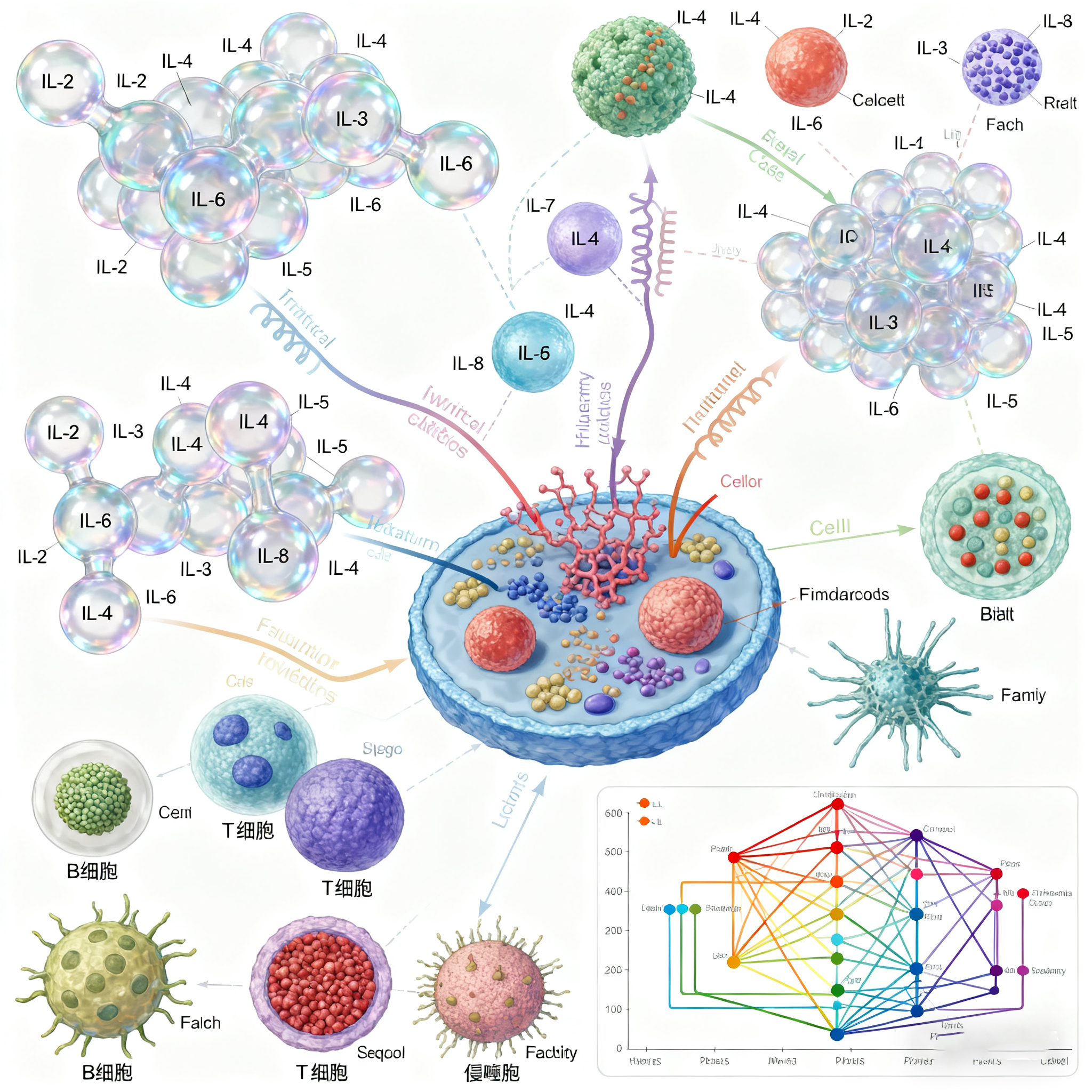
The Interleukin (IL) family consists of small, soluble proteins secreted by a variety of cells, including immune cells like macrophages, T and B lymphocytes, as well as endothelial and fibroblastic cells. These cytokines play essential roles in immune regulation, inflammatory responses, hematopoiesis, and tissue repair.
14-3-3蛋白家族
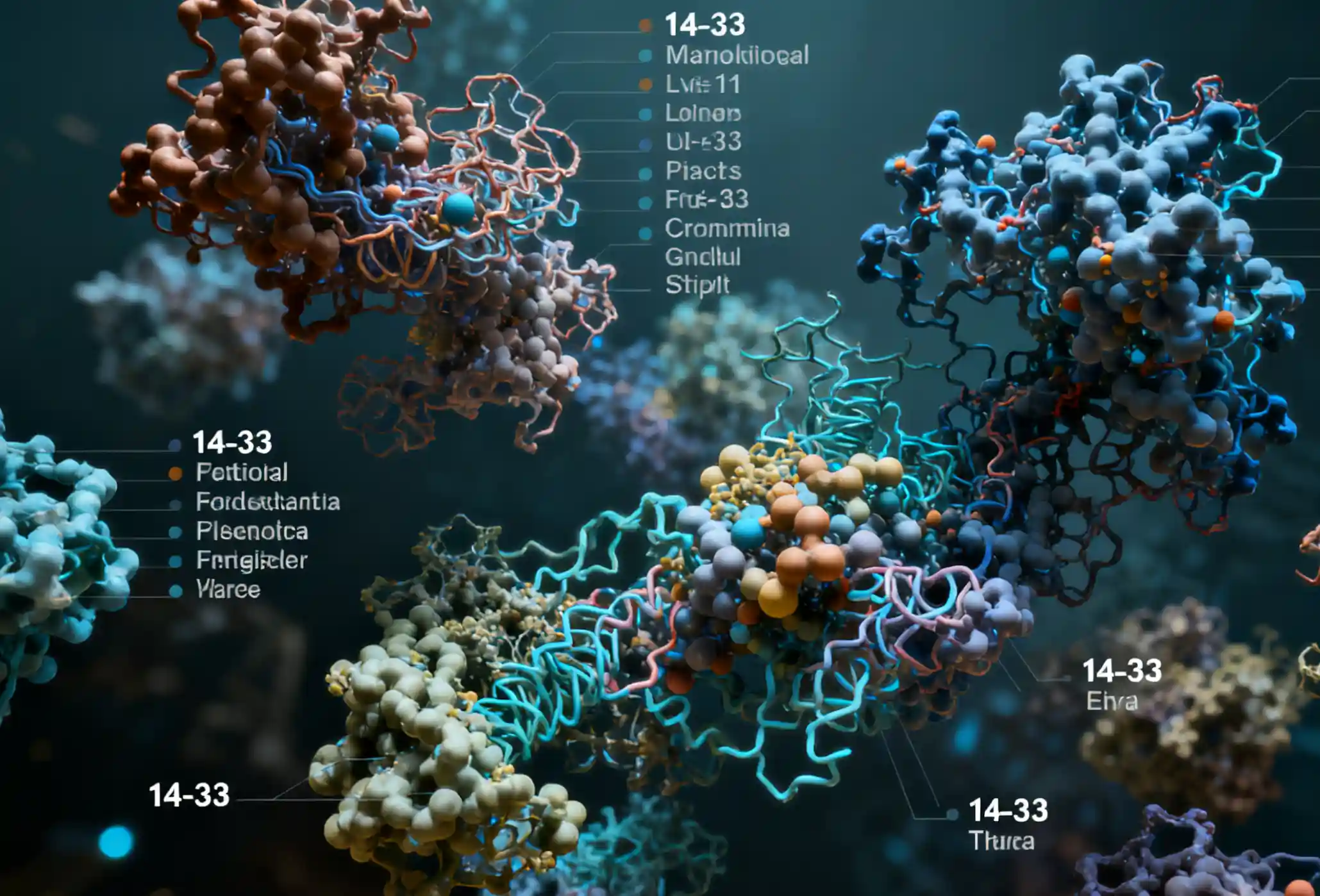
The 14-3-3 family of proteins are highly conserved acidic eukaryotic proteins (25–32 kDa) abundantly present in the body. There are seven different 14-3-3 isoforms in mammals, namely the α/β, σ, θ, γ, ε, η and ζ/δ, each of them binding to several hundreds of different proteins through phosphorylation. It was found to modulate a wide array of cellular processes, such as cell signalling, transcription, cell differentiation, cell apoptosis, protein trafficking, innate immunity, and glucose metabolism, to name a few . Its dysregulation has been linked to the onset of critical illnesses such as cancers, neurodegenerative diseases and viral infections.