


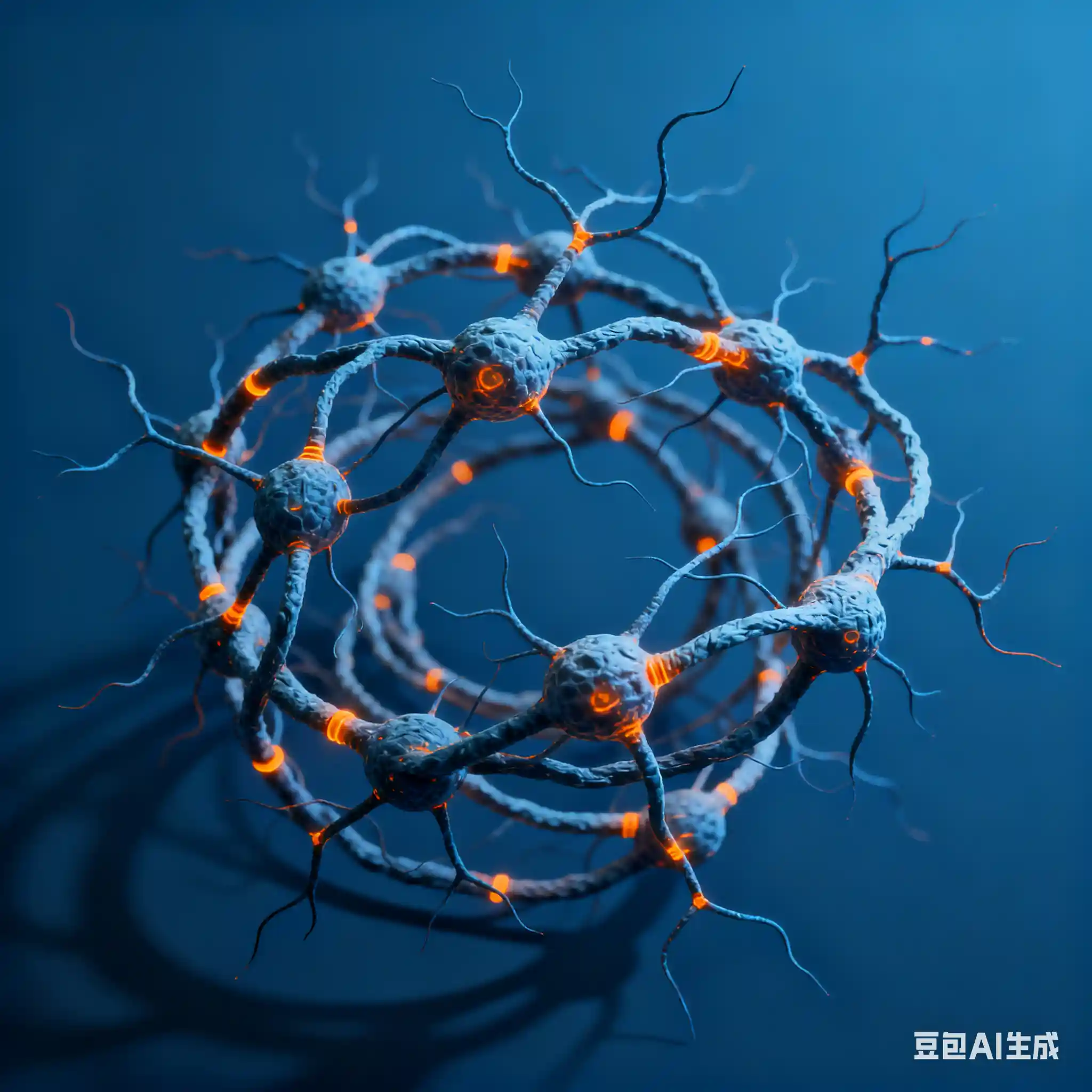
神经科学1
Neuroscience is the scientific study of the nervous system, encompassing its structure, function, development, evolution, genetics, and pathology. The nervous system, which includes the brain, spinal cord, and peripheral nerves, is the central system responsible for sensation, motor control, cognition, emotion, and behavior in living organisms. Neuroscience aims to uncover how the nervous system processes information, regulates behavior, and maintains normal organismal function.
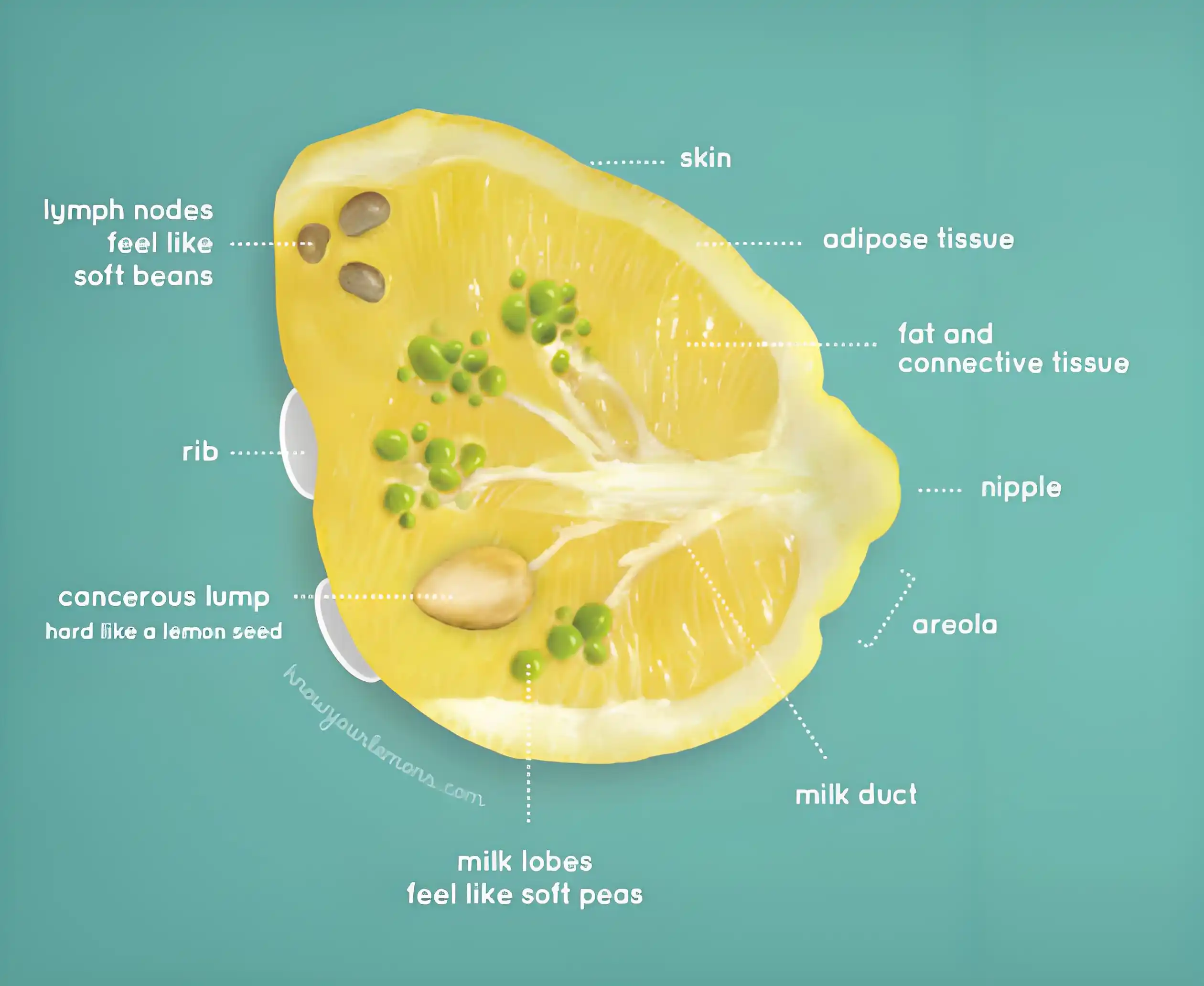
乳腺癌
Breast cancer is a malignant tumor that occurs in the epithelial tissue of the breast. The breast is composed of acini, ducts, and connective tissue, and breast cancer mainly originates from the epithelial cells of the breast ducts. Based on cell type and histological characteristics, breast cancer can be divided into several subtypes, with the most common type being invasive ductal carcinoma.
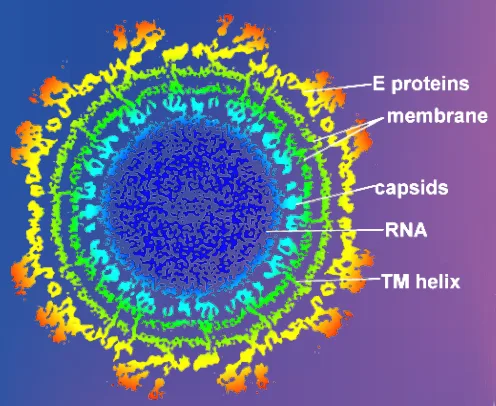
基孔肯雅病毒
Chikungunya virus (CHIKV) is a mosquito-borne pathogen that primarily causes fever, joint pain, and rash. As global warming expands the range of mosquito vectors, CHIKV continues to spread, posing an increasingly serious threat to public health. To combat CHIKV infection, we have launched highly sensitive and specific antigen- and antibody-based reagents for chikungunya virus, providing comprehensive support for CHIKV vaccine development, antiviral drug discovery, and diagnostic assay development.
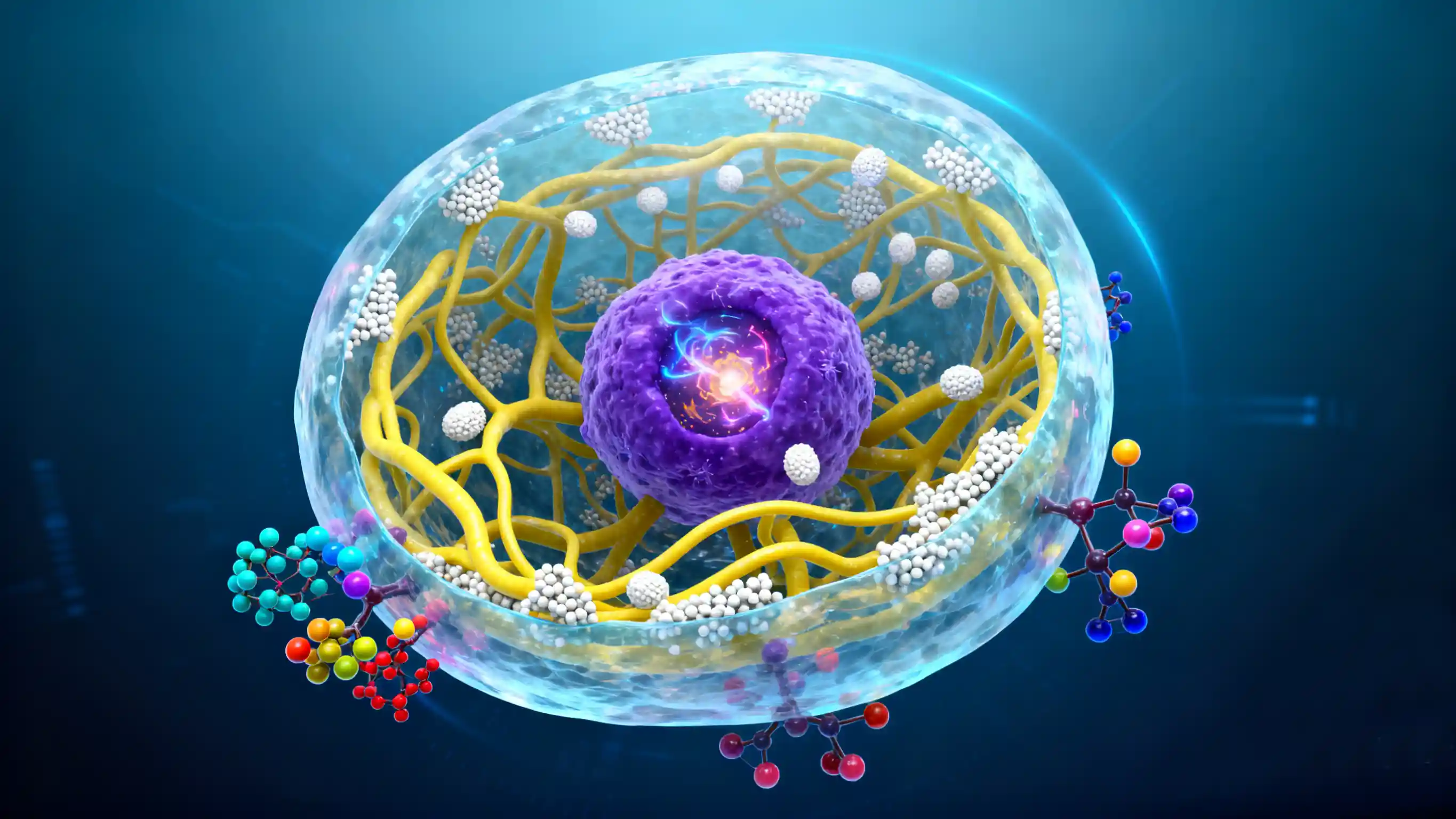
干细胞
Stem Cells are a group of cells with the ability to self-renew and differentiate into multiple cell types. They can replicate themselves and, under certain conditions, differentiate into various tissue-specific cells to form tissues and organs. Their key characteristics, self-renewal and multi-lineage differentiation, make them highly valuable in regenerative medicine and disease treatment.
信号转导
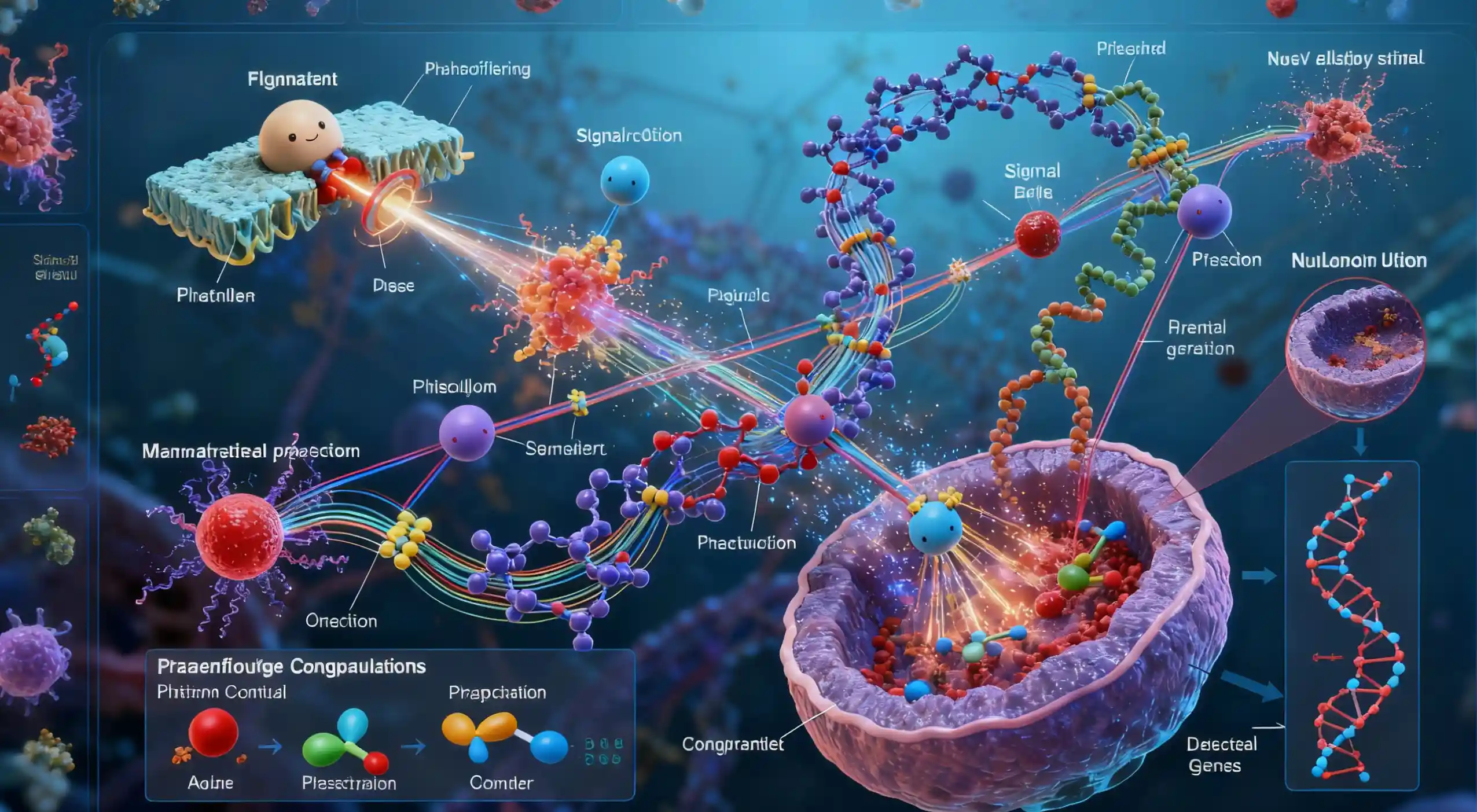
Signal transduction is the process by which cells convert external signals (including chemical, physical, and electrical stimuli) into internal responses, triggering a series of biological reactions. This process is fundamental to cell communication and involves the binding of signaling molecules to receptors, the propagation and amplification of signals within the cell, and the resulting cellular responses.
神经科学
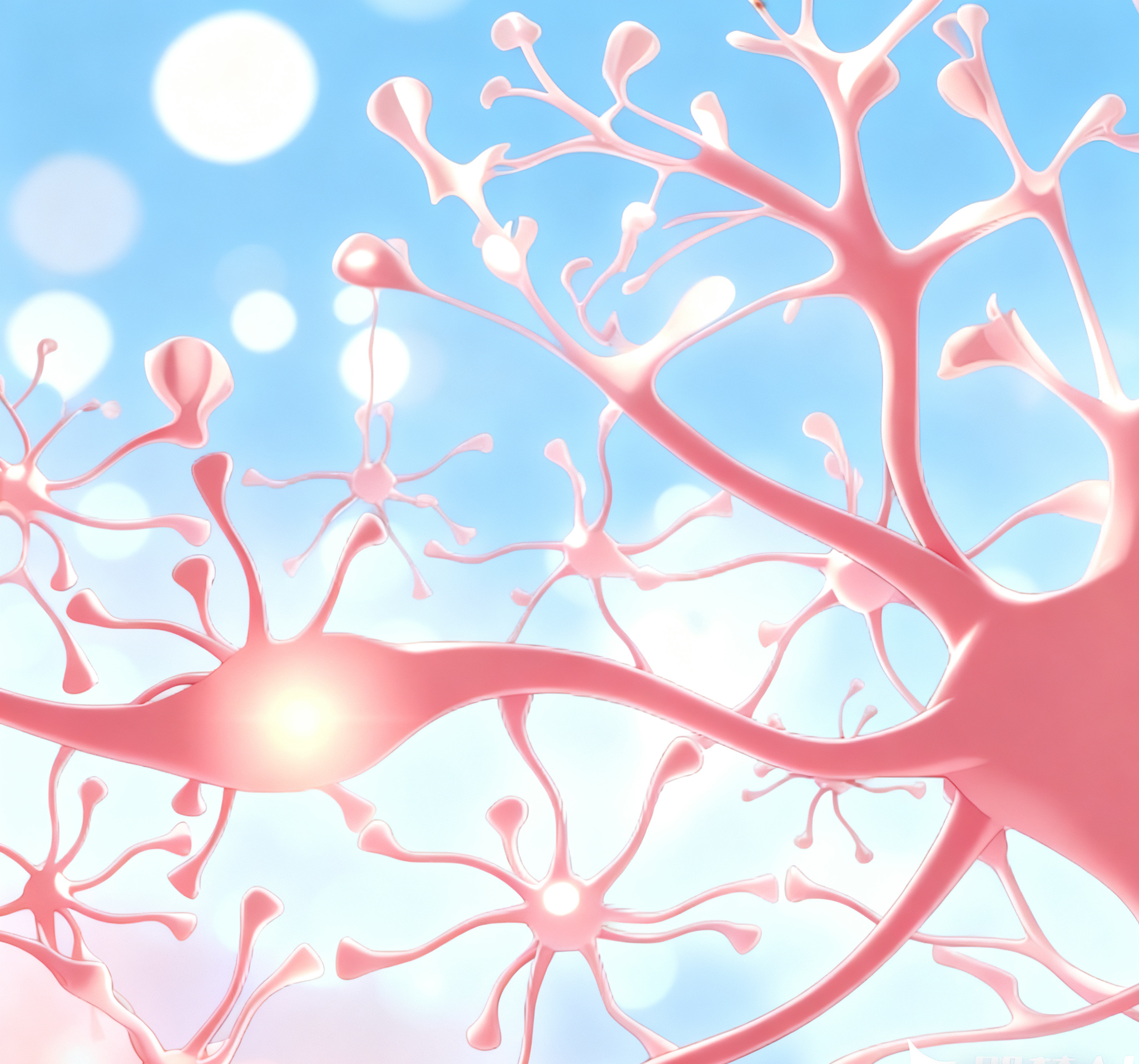
Neuroscience is the scientific study of the nervous system, encompassing its structure, function, development, evolution, genetics, and pathology. The nervous system, which includes the brain, spinal cord, and peripheral nerves, is the central system responsible for sensation, motor control, cognition, emotion, and behavior in living organisms. Neuroscience aims to uncover how the nervous system processes information, regulates behavior, and maintains normal organismal function.
微生物学
Microbiology is the scientific study of microorganisms, encompassing their classification, structure, function, ecology, genetics, molecular biology, and biotechnological applications. Microorganisms include bacteria, archaea, fungi, viruses, protozoa, and microscopic algae. They play a crucial role in nature by participating in nutrient cycling, energy transformation, and interacting closely with human health, agriculture, industry, and the environment.
免疫学
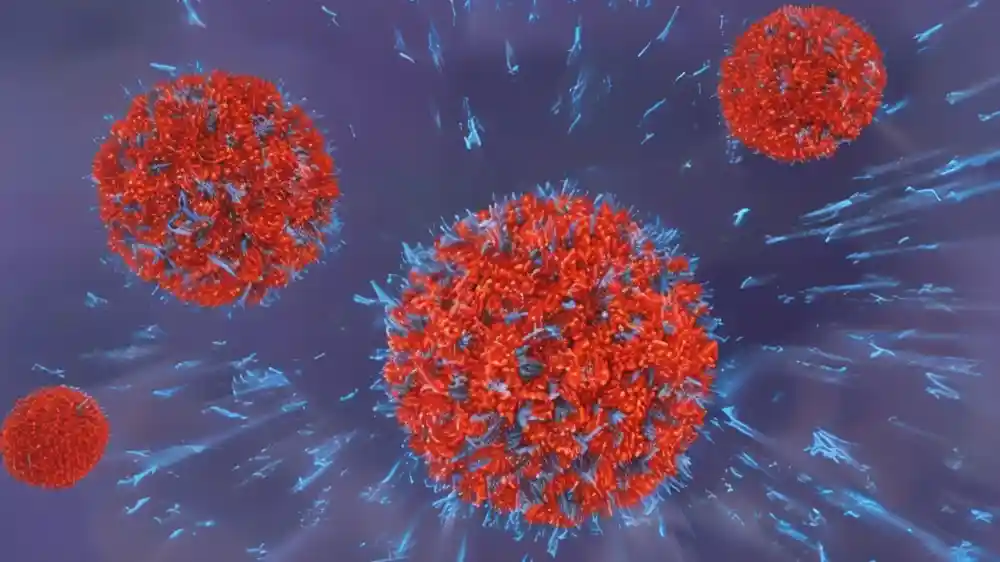
Immunology is the study of the composition, function, and mechanisms of the immune system, as well as the basic immune mechanisms related to diseases. The immune system is the body's defense system against pathogens and foreign substances, protecting health by distinguishing "self" from "non-self."