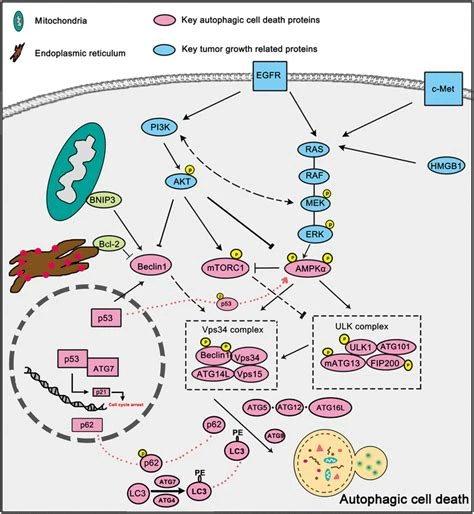

自噬囊泡延伸(LC3偶联)
Autophagy Vesicle Elongation is a crucial phase in the autophagy process, primarily involving the conjugation of LC3 protein (LC3 Conjugation) and the expansion and closure of the autophagosome membrane.
Astrocytes are the most prevalent type of glial cell in the CNS and are found within the brain and spinal cord. In a healthy nervous system, astrocytes play essential roles in development, regulation of blood flow (by supporting endothelial cells in the blood brain barrier), synaptic transmission and function, and energy and metabolism (by providing nutrients to neurons and synthesizing certain neurotransmitters). The loss or abnormal function of astrocytes is implicated in a wide variety of neurodegenerative disease processes. Chronic activation of astrocytes results in the formation of lesions similar to those observed in Alzheimer’s Disease and Huntington’s Disease. Some useful astrocyte markers include GFAP and ALDH1L1.
Low density lipoprotein receptor related protein 1 (LRP1) is a type I transmembrane receptor that mediates the endocytosis of various ligands, including apolipoproteins and tau. Both proteins are genetically and pathologically linked to Alzheimer's disease (AD).Postsynaptic Density protein 95 (PSD95) is a member of the membrane-associated guanylate kinase (MAGUK) family of proteins that functions as a scaffolding protein to promote assembly and function of the postsynaptic density complex .
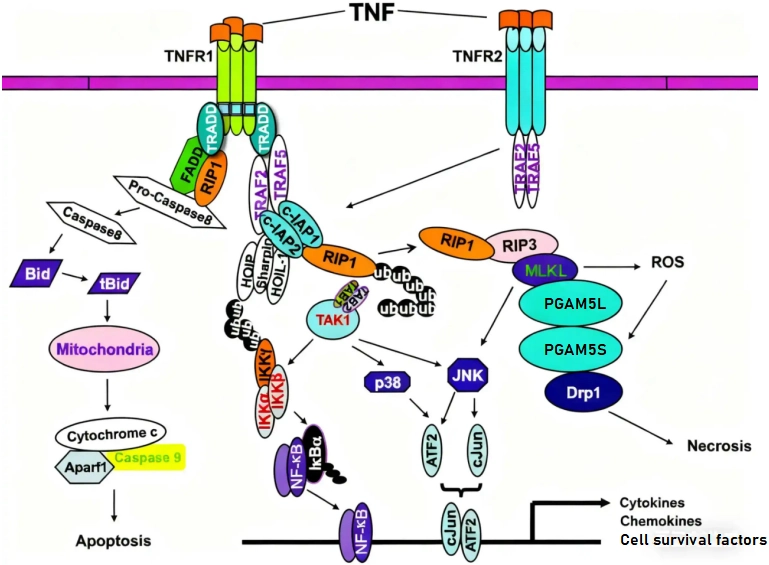
Apoptosis is a strictly regulated process that leads to orderly cell breakdown and clearance. Unlike necrotic cell death, apoptosis is well regulated and plays a critical role in development, immune function, and tissue homeostasis. Normal cells undergo apoptosis when subjected to various endogenous and exogenous stimuli to maintain a balance between cell survival and death.
Akt (also known as PKB or Rac) plays a critical role in regulating cell survival and apoptosis. This protein kinase can be activated by insulin, various growth factors, and survival factors, functioning through a wortmannin-dependent pathway involving PI3 kinase. Activation of Akt requires phospholipid binding and phosphorylation at two sites: phosphorylation at the catalytic domain Thr308 mediated by PDK1, and phosphorylation at the carboxyl terminal Ser473. The previously unknown PDK2 responsible for phosphorylating Akt at Ser473 has been identified as mTOR (mammalian target of rapamycin), which exists in a rapamycin-insensitive complex containing rictor and Sin1.
Androgen receptor (AR), a zinc finger transcription factor belonging to the nuclear receptor superfamily, is activated by phosphorylation and dimerization upon ligand binding. This promotes nuclear localization and binding of AR to androgen response elements in androgen target genes. Research studies have shown that AR plays a crucial role in several stages of male development and the progression of prostate cancer.