
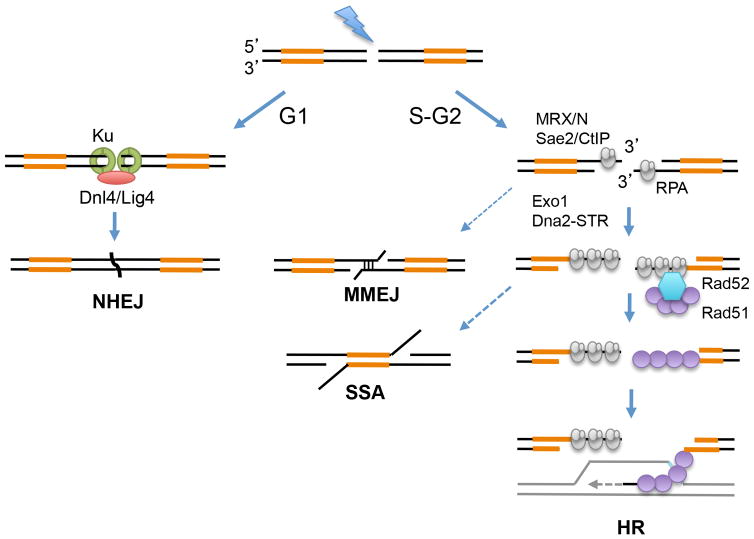
双链断裂修复
DSBs are repaired by an end joining mechanism or by homologous recombination (HR).
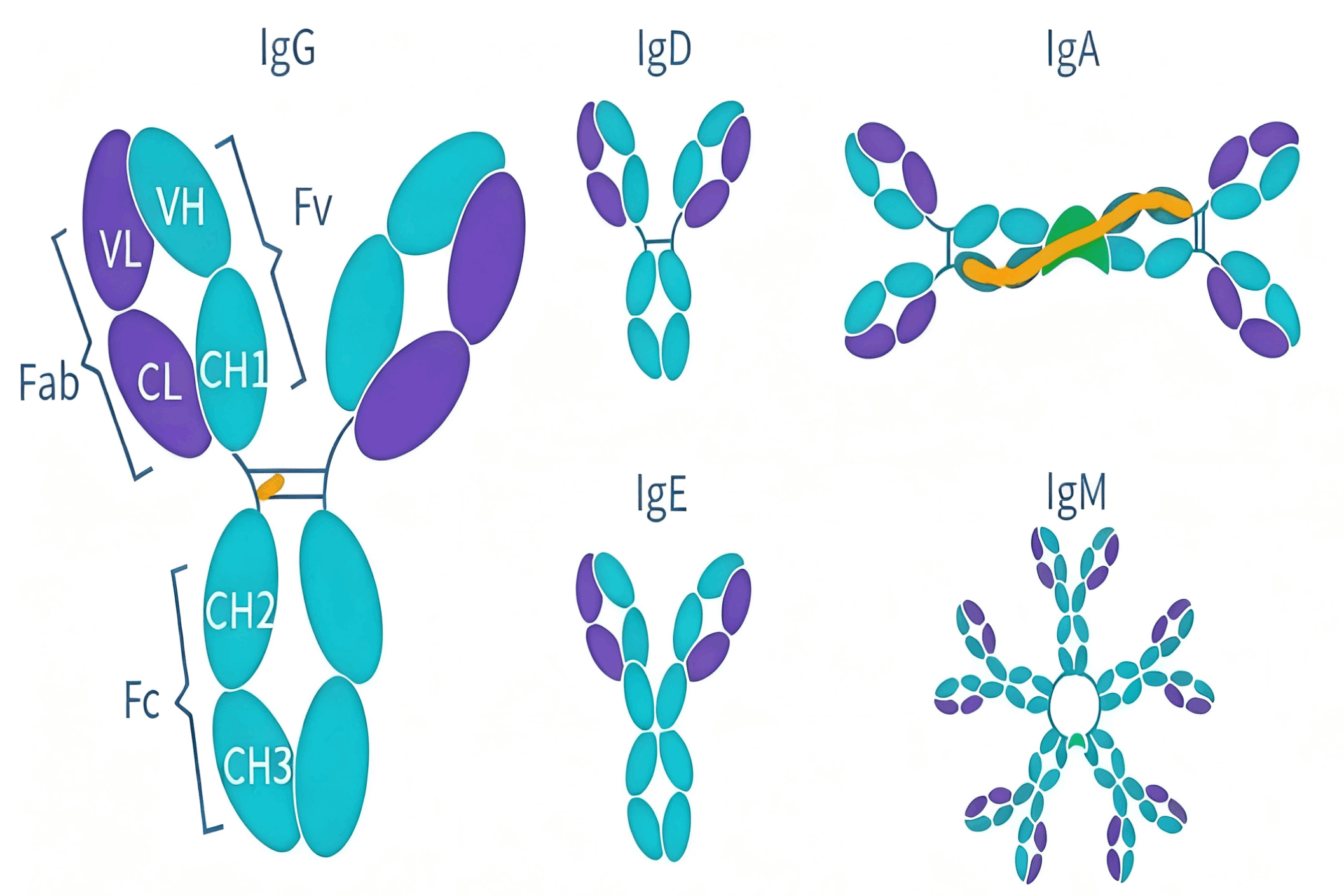
Antibodies, known as immunoglobulins, are typically "Y"-shaped. In most mammals, immunoglobulins consist of five types: IgG, IgM, IgA, IgD, and IgE, which differ from one another in size, charge, amino acid composition, and carbohydrate content. Meanwhile, each type of antibody has subclasses with heterogeneity among them; for instance, the four subtypes of IgG (IgG1, IgG2, IgG3, IgG4) in humans and mice do not share homology. Besides, IgY antibodies are also present in avian species.
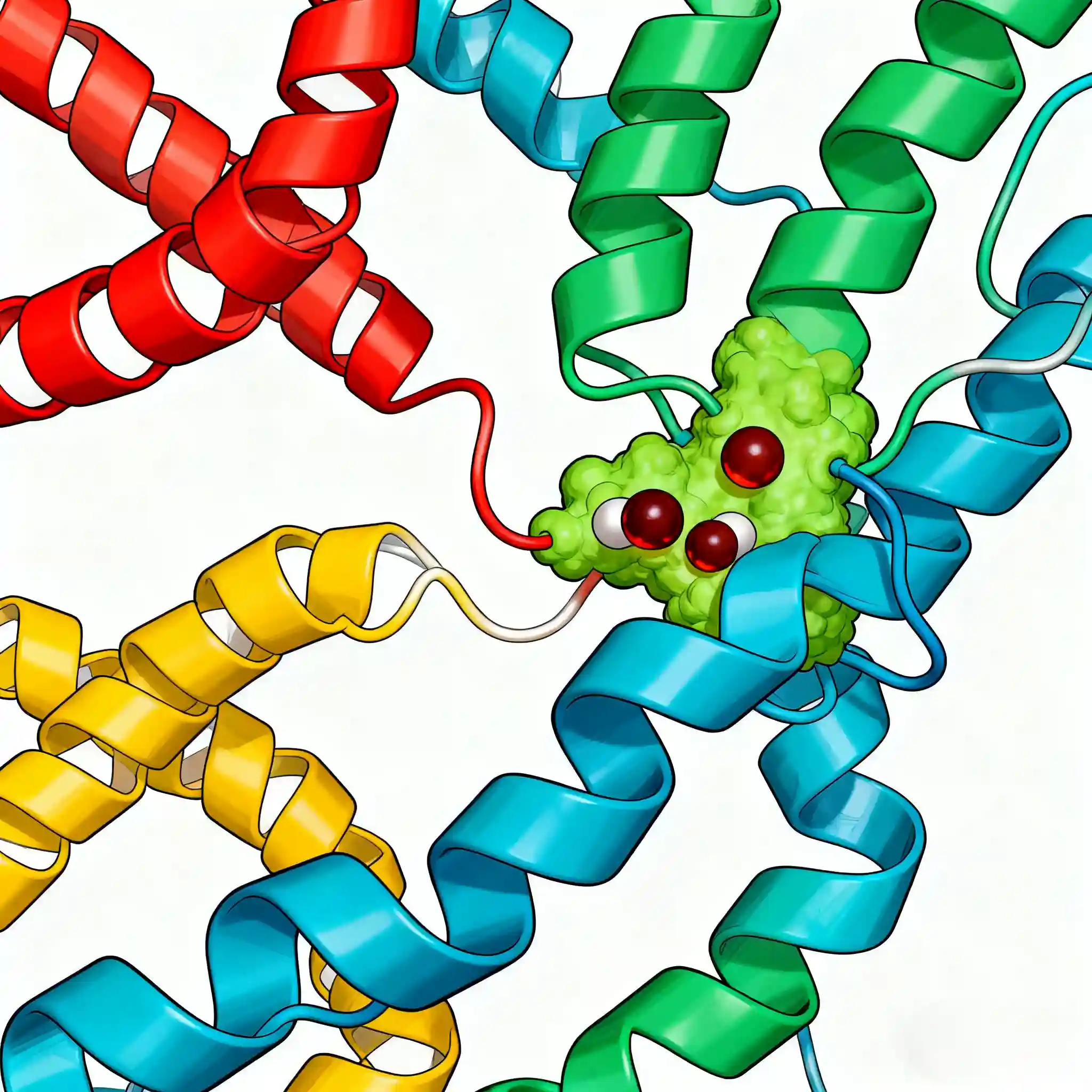
Fatty acid binding proteins (FABPs) bind to fatty acids and other lipids and function as cytoplasmic lipid chaperones (1,2). They participate in the transport of fatty acids and other lipids to various cellular pathways (2). Research studies have shown that common variants of the human liver FABP gene FABP1 play a role in the development of type 2 diabetes and insulin resistance (3).
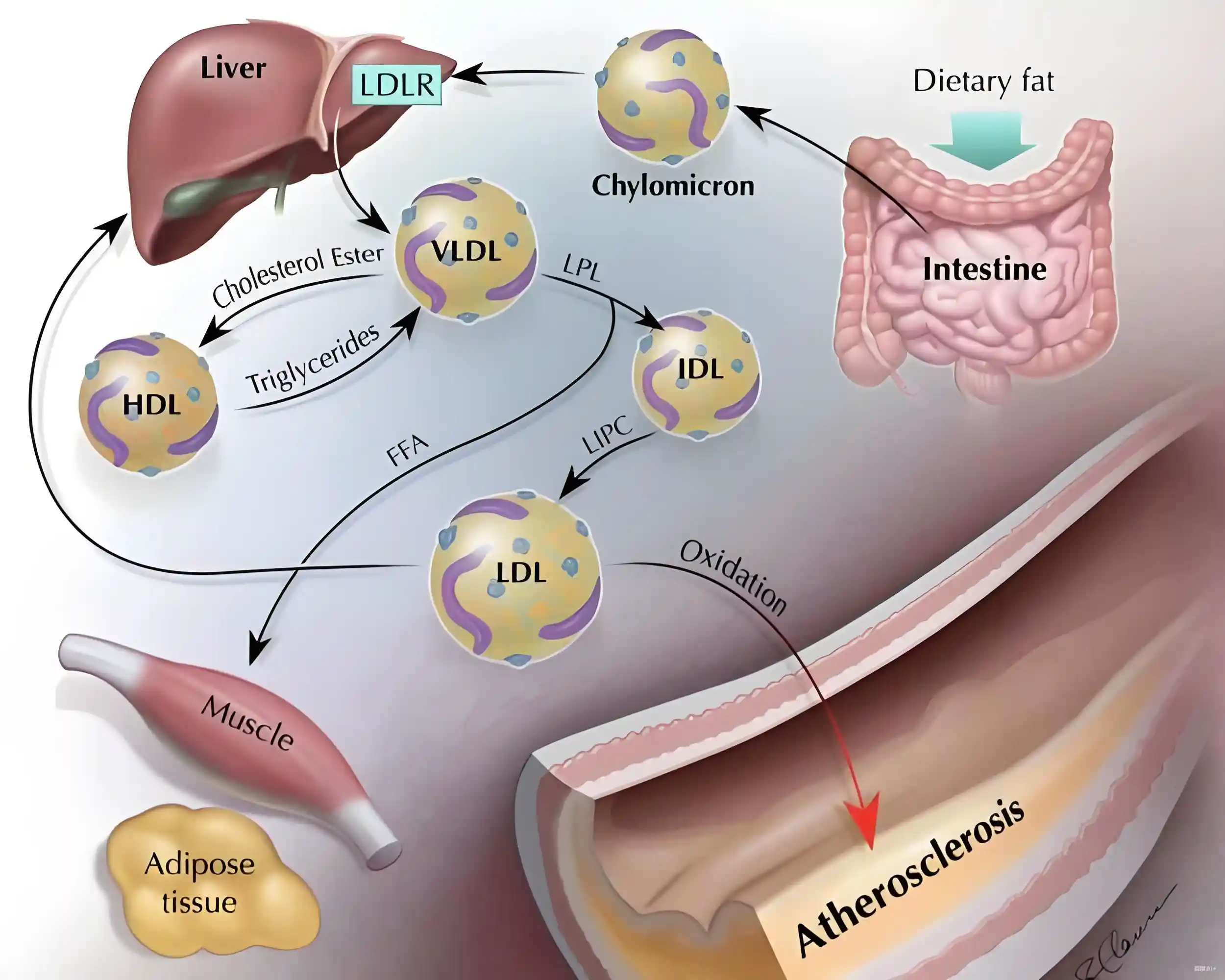
The processes of fatty acid and lipid metabolism are vital for cellular nutrient and energy maintenance. Cytoplasmic acetyl-CoA synthetase (AceCS1) catalyzes the conversion of acetate and CoA to acetyl-CoA. Acetyl-CoA synthesized by AceCS1 is used for fatty acid and lipid biosynthesis (1,2).
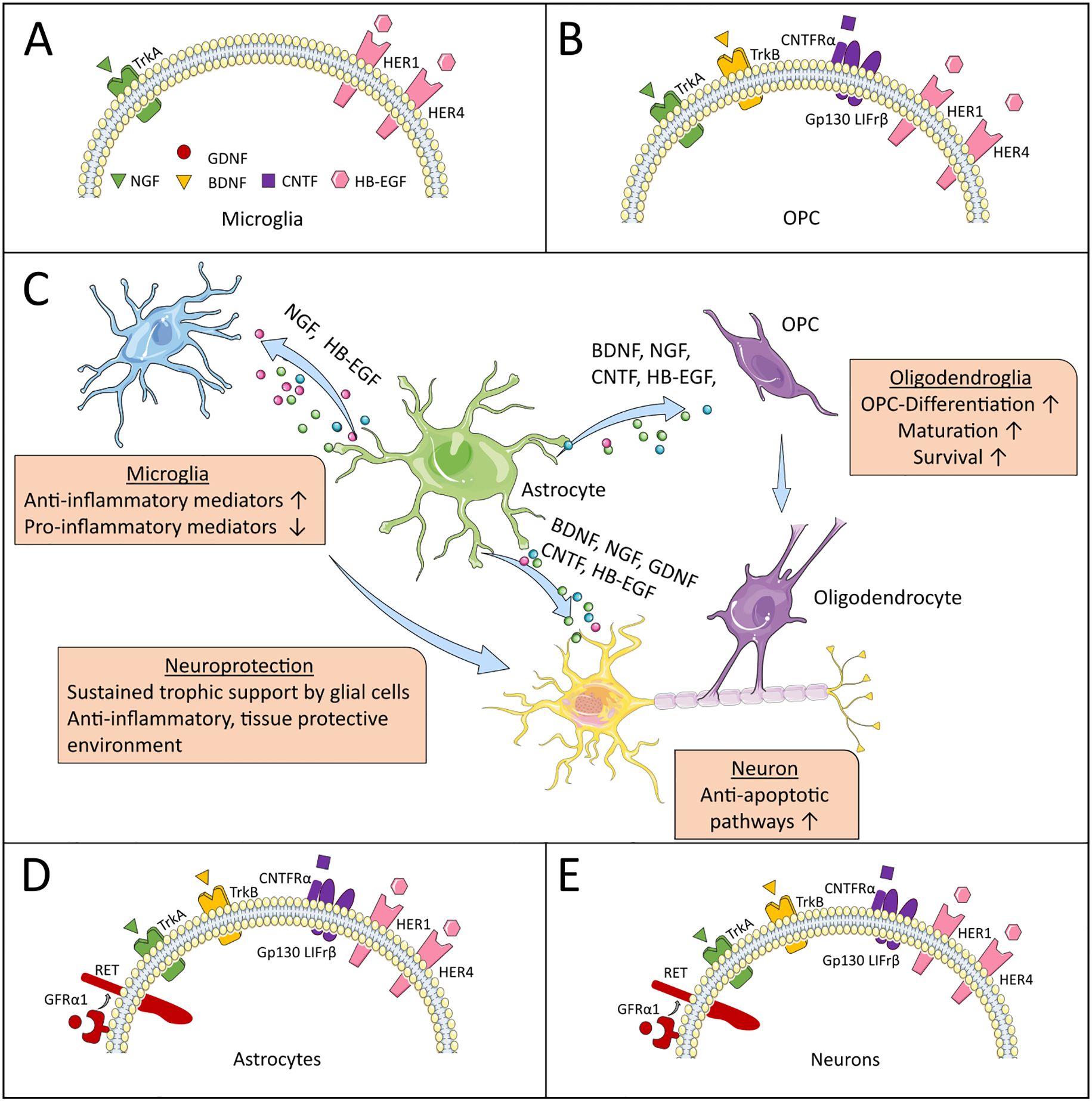
The neurotrophins are a family of closely related proteins that were first identified as survival factors for sympathetic and sensory neurons and have since been shown to control a number of aspects of survival, development, and function of neurons in both the central and peripheral nervous systems.
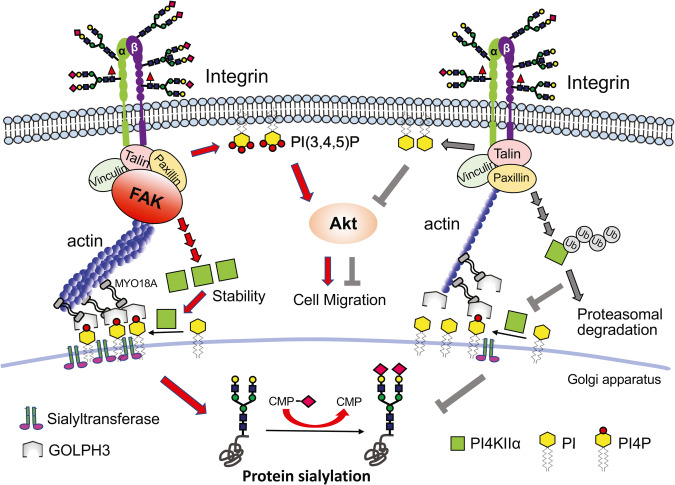
Focal adhesion kinase (FAK) is a widely expressed cytoplasmic protein tyrosine kinase involved in integrin-mediated signal transduction. It plays an important role in the control of several biological processes, including cell spreading, migration, and survival. Activation of FAK by integrin clustering leads to autophosphorylation at Tyr397, which is a binding site for the Src family kinases PI3K and PLCγ.
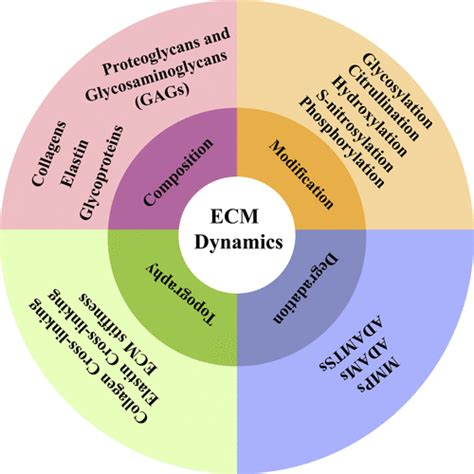
The extracellular matrix (ECM) is a three-dimensional macromolecular network composed of collagens, proteoglycans, glycosaminoglycans, elastin, fibronectin, laminins, along with many other proteins and glycoproteins. This network of macromolecules provides a dynamic microenvironment that supports cell and tissue function, and undergoes continuous remodeling during both normal development and disease.
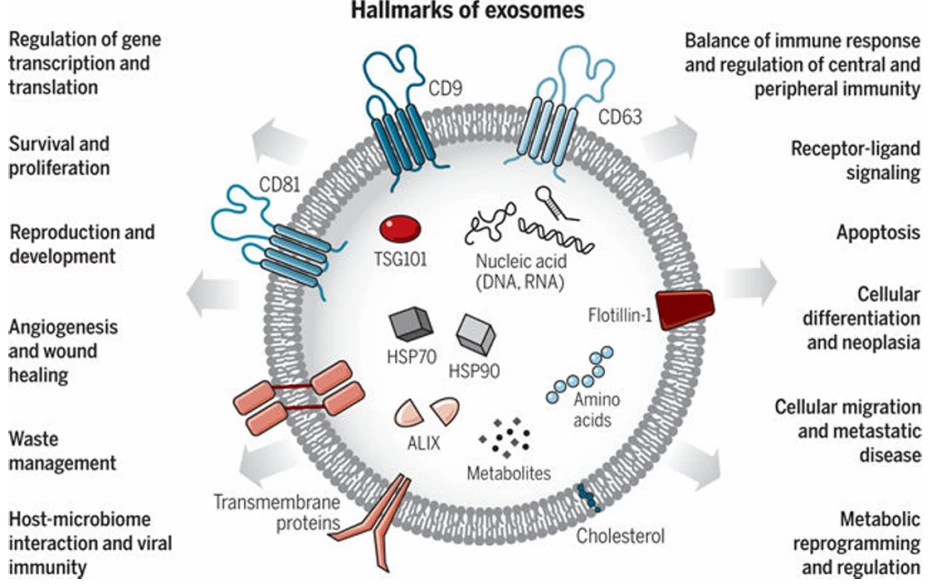
Exosomes are membrane-wrapped extracellular vesicles (EVs) with a diameter of approximately 40-160 nm, possessing a lipid bilayer structure. They are naturally present in blood, urine, cerebrospinal fluid, and the supernatant of cultured cells in vitro, and almost all types of cells can produce and release exosomes.
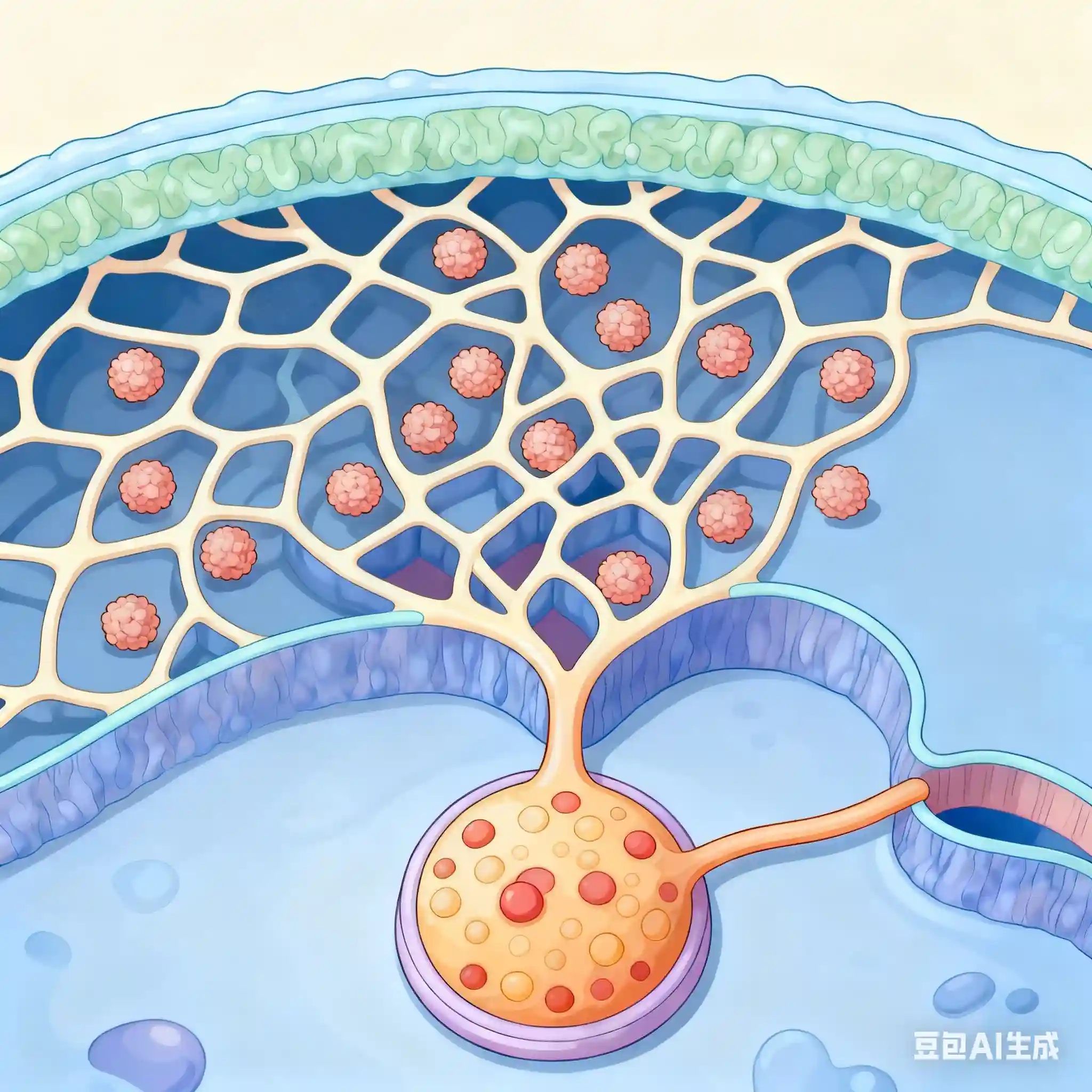
Endoplasmic Reticulum Stress Secretory and transmembrane proteins are synthesized on polysomes and translocate into the endoplasmic reticulum (ER) where they are often modified by the formation of disulfide bonds, amino-linked glycosylation and folding. The ER contains a pool of molecular chaperone proteins including calnexin, BiP and protein disulfide isomerase (PDI).