


| 纯度Purity | Greater than 95% as determined by reducing SDS-PAGE. |
|---|---|
| 内毒素Endotoxin | Please contact with the lab for this information |
| 蛋白构建Protein Construction |
【Val22-Pro98】序列区间
|
| Accession | P02778 |
| 表达宿主Expression Host | - |
| 种属Species | Homo sapiens (Human) |
| 预测分子量Predicted MW | 12.4 kDa |
| 制剂Formulation | Lyophilized from a 0.2 μm filtered solution of PBS, pH7.4, containing 0.01% SKL, 1mM DTT, 5% Trehalose and Proclin300. |
| 运输方式Shipping | The product is shipped with ice bag. Upon receipt, store it immediately at the temperature listed below. |
| 稳定性&储存Stability & Storage | 12 months at -20°C to -80°C in lyophilized state.6 months at -20°C to -80°C under sterile conditions after reconstitution.7-10 days at 2°C to 8°C under sterile conditions after reconstitution.Please minimize freeze-thaw cycles. |
| 复溶Reconstitution | Reconstitute in 10mM PBS (pH7.4) to a concentration of 0.1-1.0 mg/mL. Do not vortex. |
 |
Greater than 95% as determined by reducing SDS-PAGE. |
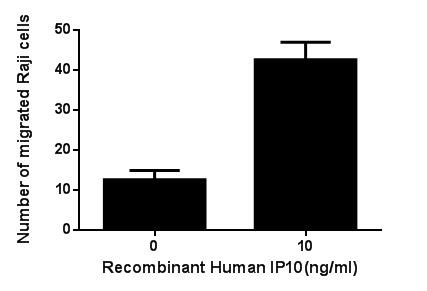 |
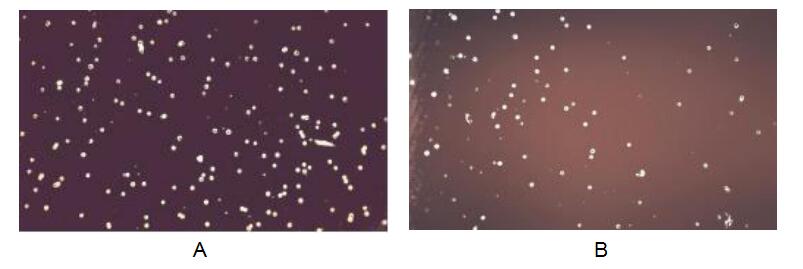
Figure. The binding activity of IP10 with IGFBP7. Interferon gamma-induced protein 10 (IP10) also known as C-X-C motif chemokine 10 (CXCL10) or small-inducible cytokine B10 is an 8.7kDa protein that in humans is encoded by the CXCL10 gene. C-X-C motif chemokine 10 is a small cytokine belonging to the CXC chemokine family. IP10 secreted by several cell types in response to IFN-γ, has been attributed to several roles, such as chemoattraction for monocytes/macrophages, T cells, NK cells, and dendritic cells, promotion of T cell adhesion to endothelial cells, antitumor activity, and inhibition of bone marrow colony formation and angiogenesis. Besides, Insulin Like Growth Factor Binding Protein 7 (IGFBP7) has been identified as an interactor of IP10, thus a binding ELISA assay was conducted to detect the interaction of recombinant human IP10 and recombinant human IGFBP7. Briefly, VDR were diluted serially in PBS, with 0.01% BSA (pH 7.4). Duplicate samples of 100uL were then transferred to IGFBP7-coated microtiter wells and incubated for 2h at 37℃. Wells were washed with PBST and incubated for 1h with anti-IP10 pAb, then aspirated and washed 3 times. After incubation with HRP labelled secondary antibody, wells were aspirated and washed 3 times. With the addition of substrate solution, wells were incubated 15-25 minutes at 37℃. Finally, add 50µL stop solution to the wells and read at 450nm immediately. The binding activity of IP10 and IGFBP7 was shown in Figure 1, and this effect was in a dose dependent manner. Figure. The chemotactic effect of IP10 on Raji cells. Chemotaxis assay used 24-well microchemotaxis system was undertaken to detect the chemotactic effect of IP10 on the Raji cell line. Briefly, Raji cells were seeded into the upper chambers (150μL cell suspension, 106 cells/mL in RPMI 1640 with FBS free) and IP10 (1ng/mL, 10ng/mL ,100ng/mL and 1000ng/mL diluted separately in serum free RPMI 1640) was added in lower chamber with a polycarbonate filter (8μm pore size) used to separate the two compartments. After incubation at 37℃ with 5% CO2 for 2h, the filter was removed, then cells in low chamber were observed by inverted microscope at low magnification (×100) and the number of migrated cells were counted at high magnification (×400) randomly (five fields for each filter). Result shows IP10 is able to induce migration of Raji cells. The migrated Raji cells in low chamber at low magnification (×100) were shown in Figure 2. Five fields of each chamber were randomly chosen, and the migrated cells were counted at high magnification (×400). Statistical results were shown in Figure 3. The optimum chemotaxis of IP10 occurs at 10-100ng/mL. (A) Raji cells were seeded into the upper chambers and serum free RPMI 1640 with 10ng/mL IP10 was added in lower chamber, then cells in lower chamber were observed at low magnification (×100) after incubation for 1h; (B) Raji cells were seeded into the upper chambers and serum free RPMI 1640 without IP10 was added in lower chamber, then cells in lower chamber were observed at low magnification (×100) after incubation for 2h. Figure. The chemotactic effect of IP10 on Raji cells |
 |
| 分子别名Alternative Names | CXCL10C7IFI10INP10SCYB10Crg2GIP10Mob1Chemokine C-X-C Motif Ligand 10Small Inducible Cytokine Subfamily B(Cys-X-Cys)Member 10 |
|---|---|
| 背景介绍Background | Pro-inflammatory cytokine that is involved in a wide variety of processes such as chemotaxis, differentiation, and activation of peripheral immune cells, regulation of cell growth, apoptosis and modulation of angiostatic effects. Plays thereby an important role during viral infections by stimulating the activation and migration of immune cells to the infected sites. Mechanistically, binding of CXCL10 to the CXCR3 receptor activates G protein-mediated signaling and results in downstream activation of phospholipase C-dependent pathway, an increase in intracellular calcium production and actin reorganization. In turn, recruitment of activated Th1 lymphocytes occurs at sites of inflammation. Activation of the CXCL10/CXCR3 axis plays also an important role in neurons in response to brain injury for activating microglia, the resident macrophage population of the central nervous system, and directing them to the lesion site. This recruitment is an essential element for neuronal reorganization. |
| 功能Function | Pro-inflammatory cytokine that is involved in a wide variety of processes such as chemotaxis, differentiation, and activation of peripheral immune cells, regulation of cell growth, apoptosis and modulation of angiostatic effects. Plays thereby an important role during viral infections by stimulating the activation and migration of immune cells to the infected sites. Mechanistically, binding of CXCL10 to the CXCR3 receptor activates G protein-mediated signaling and results in downstream activation of phospholipase C-dependent pathway, an increase in intracellular calcium production and actin reorganization. In turn, recruitment of activated Th1 lymphocytes occurs at sites of inflammation. Activation of the CXCL10/CXCR3 axis plays also an important role in neurons in response to brain injury for activating microglia, the resident macrophage population of the central nervous system, and directing them to the lesion site. This recruitment is an essential element for neuronal reorganization. |
| 亚细胞定位Subcellular Location | Secreted. |
| 数据库链接Databases |
基因功能参考文献50 条
- results of study suggest that the CXCL10 overexpression in the salivary glands is caused mainly by IFN-gamma-stimulated salivary gland ductal cells. PMID: 29549479 : 29549479
- Urinary CXCL10 reflects subclinical inflammation within the tubulointerstitial and peritubular capillary spaces, but not the vascular/systemic compartments PMID: 28902772 : 28902772
- CXCL10 in the serum of patients with vitiligo and alopecia areata was significantly elevated compared with healthy controls, but was similar between patients with vitiligo and AA PMID: 27863059 : 27863059
- IP-10 might be involved in the pathogenesis of thrombocytopenia (T), anasarca (A), fever (F), reticulin fibrosis (R), and organomegaly (O) -idiopathic Multicentric Castleman disease. PMID: 28205564 : 28205564
- CXCL10, not CXCL9 or CXCL11, induced IL-9 expression in the liver tissue. PMID: 29860220 : 29860220
- serum IP-10 level and the IFN-gamma/IL-4 ratio have great potential to predict significant fibrosis among chronic hepatitis B patients. PMID: 28067328 : 28067328
- No association between IP-10 serum-levels and cancer-related fatigue. PMID: 30188739 : 30188739
- CXCL10 rs1439490 G/G is positively associated with seronegative occult hepatitis C virus infection and antiviral treatment outcome. PMID: 29853737 : 29853737
- Age-related epigenetic and genetic factors which contribute to the dysregulation of CXCL10. PMID: 29223680 : 29223680
- COMMD7 activates CXCL10 production by regulating NFkappaB and the production of ROS. The present study highlighted the role of COMMD7 in the development of HCC, and provides novel options for anticancer drug design. PMID: 29532873 : 29532873
- Nab-PTX treatment could increase CXCL10 expression. PMID: 29902349 : 29902349
- The frequency of non-classical monocytes spontaneously producing CXCL10 was increased in both limited and diffuse systemic sclerosis PMID: 29127442 : 29127442
- serum levels in active vitiligo significantly elevated compared to those in stable vitiligo patients PMID: 29115683 : 29115683
- Plasma CXCL10 levels are significantly higher in SPs pre-HAART and RPs pre-HAART when compared with HIV-negative controls. PMID: 29122683 : 29122683
- Hepatitis b vaccine was efficient in enhancing IP-10 level with HBsAg clearance, or reduction to a favorable level. PMID: 28802168 : 28802168
- Results show that the expression of IP-10 in peripheral blood of patients with HBV-associated acute-on-chronic liver failure (HBV-ACLF) was significantly high and correlated with the severity of liver failure. IP-10 played an important role in the pathogenesis and progression of HBV-ACLF. PMID: 29058291 : 29058291
- Differential regulation of cytokine release at both transcriptional and post-transcriptional levels, suppresses type-I-IFN induction yet allows for CXCL10 secretion during imDNA-induced cellular stress. PMID: 27941826 : 27941826
- the elevated concentrations of CXCL13, CXCL8, and CXCL10 or their increasing CSF/serum ratios may be potential biomarkers of neurosyphilis PMID: 27650493 : 27650493
- Results highlight the role of phytohaemagglutin-stimulated peripheral blood mononuclear cells from patients with Alzheimer's disease on the expression of chemokines CXCL10 and CCL4 by endothelial cells and H4 cell line (mimicking the brain parenchyma) in a human blood brain barrier model. PMID: 28413983 : 28413983
- viral and bacterial co-infection modulates the JAK-STAT signaling pathway and leads to exacerbated IP-10 expression, which could play a major role in the pathogenesis of pneumonia. PMID: 27922126 : 27922126
- Study suggests that rs56061981 and rs56216945 in CXCL10 gene promoter contribute COPD susceptibility. PMID: 29285564 : 29285564
- Our findings showed that the assessment of serum IP-10 level could be a predictive factor for SVR and it was associated with fibrosis, necroinflammatory activity, significant steatosis and IR in patients with chronic HCV infection. PMID: 28862188 : 28862188
- In conclusion, IL-29 enhanced CXCL10 production in human oral epithelial cells via the p38 MAPK, STAT3, and NF-kappaB pathways, which might control Th1-cell accumulation in periodontal lesions and be involved in pathological processes in periodontal disease. PMID: 28753407 : 28753407
- Interferon-gamma-inducible protein 10 (IP-10) directly promoted hepatocyte apoptosis, and baseline IP-10 levels may predict the decrease in the hepatitis B surface antigen levels after entecavir therapy in patients with chronic hepatitis B. PMID: 28614914 : 28614914
- data indicate that IP-10 is associated with disease activity and perseverance of rheumatoid arthritis. PMID: 28592626 : 28592626
- CXCL10 in addition to IFN-gamma can be used to differentiate among Mycobacterium tuberculosis infection possibilities. PMID: 28610785 : 28610785
- Increased amniotic fluid CXCL10 concentration is associated with chronic chorioamnionitis or maternal anti-fetal rejection, whereas increased amniotic fluid IL-6 concentration is associated with acute histologic chorioamnionitis. PMID: 28544362 : 28544362
- Cord blood CXCL10 levels were negatively associated with mite sensitization at age 3. A high cord blood CCL22/CXCL10 chemokine ratio was significantly associated with a higher risk of allergic sensitization at age 3. PMID: 27863395 : 27863395
- CXCL10/IP-10 transcript showed up to 20 fold-increase, with similar changes detectable at the protein level in melanoma cells overexpressing PDFGRA. PMID: 27764787 : 27764787
- this study suggests that GG genotype of CXCL10 -135G/A (rs56061981) polymorphism decreased CXCL10 expression in T cells which may have defective recruitment of mononuclear cells at the site of infection as well granuloma formation and in turn contribute to progression of tuberculosis PMID: 28336310 : 28336310
- The regular early post-transplantation monitoring of urinary miR-155-5p and CXCL10 can help in the prognosis of acute rejection and graft dysfunction after kidney transplantation. PMID: 28880456 : 28880456
- gene polymorphisms of IL-8(-251T/A) and IP-10(-1596C/T) are associated with susceptibility and progression of type 2 diabetic retinopathy in a northern Chinese population PMID: 27935598 : 27935598
- Higher serum levels of CXCL10 are found in patients with non-segmental vitiligo (NSV) and NSV + autoimmune thyroiditis than in controls. PMID: 28698095 : 28698095
- results indicated that CXCL10, a pro-inflammatory chemokine, might be involved in the abnormal immune response in aplastic anaemia. PMID: 28411045 : 28411045
- IP-10 low in the tumor microenvironment can be used as potential indicators for the progression of non-small cell lung cancer PMID: 28375674 : 28375674
- The serum IP10 concentrations increase in women with polycystic ovary syndrome (PCOS), moreover, IP10 appears to be correlated with the inflammatory and Insulin resistance statuses of PCOS. IP10 may be a potential biomarker to estimate the disease activity of PCOS. PMID: 28051885 : 28051885
- EGF and IP-10 were significantly elevated and GRO levels were lower in the tear profile of HIV patients with dry eye disease (DED) compared to immunocompetent patients with DED. PMID: 27585367 : 27585367
- Determination of serum IP-10 levels before treatment could be useful for predicting favorable virologic response to TVR-based triple therapy, especially in patients with IL28B non-TT genotype. PMID: 27541605 : 27541605
- In lipotoxic hepatocytes, MLK3 activates a MAPK signaling cascade, resulting in the activating phosphorylation of STAT1, and CXCL10 transcriptional upregulation. PMID: 28262979 : 28262979
- Neuroendocrine-like cells promote the chemotaxis activity of tumor-associated macrophages (TAM) via CXCL10 and CXCL11. PMID: 27034164 : 27034164
- These results showed that the higher levels of CXCL10, CCL20 and CCL22 were associated with ischemic heart disease. The serum levels of chemokines may influence by the certain traditional risk factors of IHD and some studied SNPs, but did not influence by treatment and gender of patients. PMID: 27152707 : 27152707
- High CXCL10 expression is associated with clear-cell renal cell carcinoma. PMID: 26910919 : 26910919
- a massive and selective serum CXCL10 response in R. conorii-infected patients, likely reflecting release from infected endothelial cells characterized by infiltrating T cells and monocytes. PMID: 27180202 : 27180202
- The strongest OR was for CXCL8 (interleukin-8) in serum (96.8, 95% CI: 11.9-790.2). Of these 15 markers, 6 were also significantly elevated in serum from Chile (CCL20, C-reactive protein, CXCL8, CXCL10, resistin, serum amyloid A). PMID: 27173614 : 27173614
- These findings elucidate an NFAT-MAPK signaling paradigm for induction of isletokine expression in beta-cells and reveal IP-10 as a primary therapeutic target to prevent beta-cell-induced inflammatory loss of graft function after islet cell transplantation. PMID: 28855240 : 28855240
- High urine CXCL10 level is associated with acute rejection in Histologically Stable Kidney transplant Recipients. PMID: 26694099 : 26694099
- IL-10, IL-17 and IP-10 response to tubercular antigens act as potent discriminative markers for active tuberculosis among pulmonary tuberculosis suspects. PMID: 27450011 : 27450011
- The performance of IFNG release assays is robust despite variations in the incubation temperature between 37 degrees C and 39 degrees C for the diagnosis of latent tuberculosis infection. PMID: 27156612 : 27156612
- A novel function of CXCL10 in mediating monocyte production of proinflammatory cytokines in inflammatory bowel diseases has been described. PMID: 28899907 : 28899907
- CXCL10 is a circulating inflammatory marker elevated in advanced heart failure. PMID: 27271043 : 27271043
蛋白复溶体积计算器缓冲液体积 = 蛋白质量 ÷ 蛋白浓度
输入任意两项,第三项自动计算 |
蛋白浓度稀释计算器初浓度 × 初体积 = 终浓度 × 终体积
输入任意三项,第四项自动计算 |



