


| 纯度Purity | Greater than 90% as determined by reducing SDS-PAGE. |
|---|---|
| 内毒素Endotoxin | Please contact with the lab for this information |
| 蛋白构建Protein Construction |
【Glu32-Leu614】序列区间
|
| Accession | P21836 |
| 表达宿主Expression Host | 293F |
| 种属Species | Mus musculus (Mouse) |
| 预测分子量Predicted MW | 66.4 kDa |
| 制剂Formulation | Lyophilized from a 0.2 μm filtered solution of PBS, pH7.4, containing 0.01% SKL, 1mM DTT, 5% Trehalose and Proclin300. |
| 运输方式Shipping | The product is shipped with ice bag. Upon receipt, store it immediately at the temperature listed below. |
| 稳定性&储存Stability & Storage | 12 months at -20°C to -80°C in lyophilized state.6 months at -20°C to -80°C under sterile conditions after reconstitution.7-10 days at 2°C to 8°C under sterile conditions after reconstitution.Please minimize freeze-thaw cycles. |
| 复溶Reconstitution | Reconstitute in 10mM PBS (pH7.4) to a concentration of 0.1-1.0 mg/mL. Do not vortex. |
 |
Greater than 90% as determined by reducing SDS-PAGE. |
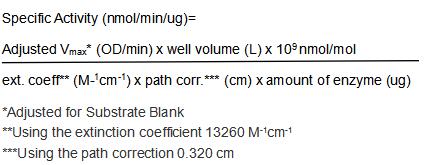 |
The classical role of ACHE is to terminate cholinergic neurotransmission by hydrolysis of acetylcholine (ACH). ACHE is thought to be involved in the pathology of Alzheimer's disease (AD) by accelerating the assembly of A beta peptides into fibrillar species through forming complexes with A beta via the peripheral anionic site on ACHE. ACHE inhibitors have been used to delay symptoms of AD patients by virtue of their ability to enhance ACH availability, as well as reduce amyloidogenesis and subsequent neurotoxicity. Its involvement in the cholinergic anti-inflammatory pathway connects ACHE with a possible marker of low-grade systemic inflammation in obesity, hypertension, coronary heart disease, and AD. The activity of recombinant mouse ACHE was measured by its ability to cleave Acetylthiocholine in the assay buffer 0.1 M sodium phosphate, 0.05% (w/v) Brij-35, pH 7.5. 50 μL of various concentrations of rmACHE (diluted by Assay Buffer) was added into the 96-well clear plate and the reaction was started by the addition of 50 µl substrate mixture of 200 uM acetylthiocholine and 100 uM DTNB. The final well serves as a negative control with no rmACHE, replaced with 50μl assay buffer and 50 ul substrate mixture. Read plate in kinetic mode for 5 minutes at an absorbance of 405 nm. The specific activity of recombinant mouse ACHE is >2200 nmol/min/µg. |
| 分子别名Alternative Names | ARAChEN-AChEYT |
|---|---|
| 背景介绍Background | Terminates signal transduction at the neuromuscular junction by rapid hydrolysis of the acetylcholine released into the synaptic cleft. |
| 功能Function | Terminates signal transduction at the neuromuscular junction by rapid hydrolysis of the acetylcholine released into the synaptic cleft. |
| 亚细胞定位Subcellular Location | Cell junction, synapse. Secreted. Cell membrane; Peripheral membrane protein.; [Isoform H]: Cell membrane; Lipid-anchor, GPI-anchor; Extracellular side. |
| 数据库链接Databases |
基因功能参考文献50 条
- Results indicate that direct inhibition of acetylcholinesterase activity and up-regulation of m1 muscarinic acetylcholine receptor expression in the striatum might contribute to the beneficial effects of alpha-asarone on locomotor hyperactivity in Fmr1 knock out mice. PMID: 27316341 : 27316341
- Data show that 1-month of oral treatment with beta-asarone reduces AChE, Abeta42, APP and Beclin-1 levels and alleviates some behavioral impairments by inhibiting the autophagy via regulating the PI3K/Akt/mTOR pathway in APP/PS1 transgenic mice. The results further support the exploration of beta-asarone as a possible disease-modifying agent for the treatment of Alzheimer's disease. PMID: 27737765 : 27737765
- Results indicate that adult onset hypothyroidism caused significant memory impairment and increased fear/anxiety. Moreover, the activity of both isoforms of AChE was reduced in all brain regions examined in a brain region- and isoform-specific manner. PMID: 27317840 : 27317840
- Unusually high AChE activity may be an effect marker of exposure to ethanol. The relationship between AChE and apoptosis might represent a novel mechanism of ethanol-associated neuronal injury. PMID: 28427893 : 28427893
- Findings suggested the role of DNA methylation on acetylcholinesterase transcriptional regulation and provided insight in elucidating the DNA methylation-mediated regulatory mechanism on acetylcholinesterase expression during muscle differentiation. PMID: 27021952 : 27021952
- Nerolidol-loaded nanospheres reverse memory impairment and to prevent increased ROS and TBARS levels due to amelioration of Na(+), K(+)-ATPase and AChE activities and to activation of the antioxidant enzymes, respectively. PMID: 27807596 : 27807596
- the amounts of AChE activity, AChE catalytic subunit, structure subunit PRiMA and the amount of acetylcholine, in the brain were not, significantly, altered, suggesting the role of P2Y1R in neuron could have different function as that in muscle. PMID: 27378627 : 27378627
- In P2Y1R (-/-) mice, acetylcholinesterase expression in muscle was markedly decreased. The proline-rich membrane anchor subunit was reduced by 60 %; while the collagen tail subunit was reduced by 50 %. AChE molecular forms in the muscle were not changed. PMID: 26036470 : 26036470
- Our results are discussed in the context of AChE inhibitor therapy as used in dementia. PMID: 26506622 : 26506622
- Reduction of AChE levels in prion-infected heterozygous AChE knock-out mice leads to slightly but significantly prolonged incubation time. PMID: 25853328 : 25853328
- mRNA expressions of brain specific fatty acid protein 7 (fabp-7) and phospholipase A2 group IV (pla2g4) were significantly downregulated in AChE-deficient mice. PMID: 24573602 : 24573602
- In silico studies in probing the role of kinetic and structural effects of different drugs for the reactivation of tabun-inhibited AChE. PMID: 24312449 : 24312449
- AChE is regulated in two neuronal cell lines by APP in a manner independent of the generation of sAPPalpha, sAPPbeta, and AICD. PMID: 23897820 : 23897820
- Deficiency or inhibition of acetylcholinesterase can decrease apoptosis and protect dopaminergic neurons in the neurotoxin model of Parkinson's disease. PMID: 23201480 : 23201480
- Attribute stress-inducible cognitive impairments to cholinergic-mediated induction of miR-132 and consequently suppressed synaptic ACHE. PMID: 22246100 : 22246100
- assayed the relative activities of AChE and BChE in membrane fractions and culture medium of three different neuronal cell lines, namely the neuroblastoma cell lines SH-SY5Y and NB7 and the basal forebrain cell line SN56 PMID: 23047022 : 23047022
- Long-lasting stress-inducible changes in AChE's promoter choices, identify the chromatin changes that support this long-term transcriptional memory, and reveal HDAC4 as a mediator of these effects in the hippocampus. PMID: 23236169 : 23236169
- binding of AChE to laminin-1 alters AChE activity and leads to increased neurite growth in culture. A possible mechanism of the AChE effect on neurite outgrowth is proposed due to the interaction of AChE with laminin-1. PMID: 22570738 : 22570738
- The reduction of muscle end-plate AChE activity early during the onset of STZ-induced hyperglycemia may contribute to endplate pathology and subsequent muscle weakness during diabetes. PMID: 22739110 : 22739110
- Acetylcholinesterase is associated with apoptosis in beta cells and contributes to insulin-dependent diabetes mellitus pathogenesis PMID: 22236578 : 22236578
- Report effects of K074 and pralidoxime on antioxidant response and acetylcholinesterase reactivation in malathion-poisoned mice. PMID: 21723318 : 21723318
- Brain acetylcholinesterase activity in Dst(dt-J) mutants, revealed increases in the neostriatum, the habenula-interpeduncular pathway, the cholinergic pedunculopontine nucleus and its target structures. PMID: 21978551 : 21978551
- Dietary restriction regulates brain acetylcholinesterase in female mice as a function of age. PMID: 21870149 : 21870149
- PUM2 binds to AChE mRNA and regulates AChE expression translationally at the neuromuscular synapse. PMID: 21865157 : 21865157
- Electrophysiological and ultrastructural studies were performed on phrenic nerve-hemidiaphragm preparations isolated from wild-type and acetylcholinesterase (AChE) knockout (KO) mice. PMID: 21538119 : 21538119
- Results confirm the results of previous molecular dynamics simulations, expand the view and suggest the probable reasons for the overall conformational behavior of AChE omega loop. PMID: 20919754 : 20919754
- AChE activity is present both in the primary cleft and in the secondary folds, whereas BChE activity appears to be almost absent in the primary cleft and to be concentrated in subsynaptic folds. PMID: 20805581 : 20805581
- the function and localization of AChE in mammalian systems PMID: 20153304 : 20153304
- RNA expression profiles of the muscles of AChE knockout mice compared with those of the wild-type siblings PMID: 20381477 : 20381477
- AChE may be a pro-apoptotic factor and the inhibition of AChE reduces renal ischemia-reperfusion injury. PMID: 20054652 : 20054652
- these findings identify the AChE mRNA-targeting miR-132 as a functional regulator of the brain-to-body resolution of inflammation. PMID: 20005135 : 20005135
- neuronal hypersensitivity under stress involves neuritic replacement of acetylcholinesterase-S with acetylcholinesterase-R PMID: 11799248 : 11799248
- The effects of porphyrinogenic drugs on the brain cholinergic system (Ache, Bche, and Chrm1 levels in various regions of the brain) were examined to establish a mechanism for neurological syndrome displayed in acute porphyrias. PMID: 11929041 : 11929041
- regulation of ACHE expression in developing muscle cells PMID: 12140295 : 12140295
- Inhibitors of different structure induce distinguishing conformations in the omega loop. PMID: 12196517 : 12196517
- ligand interactions of the enzyme at the peripheral anionic site PMID: 12505979 : 12505979
- Interaction with RACKq and PKCbeta II correlates with intensified fear-induced conflict behavior PMID: 12509514 : 12509514
- an analysis of the active site and conformation PMID: 12665427 : 12665427
- fluctuations of the Omega loop residues are not tightly coupled and residues in the Omega loop exhibit distinctive conformational fluctuations and therefore are likely to contribute to transient gorge enlargements in the non-liganded enzyme. PMID: 12759360 : 12759360
- Acetylcholinesterase[AChE] histochemistry revealed an abnormal distribution of AChE-positive cells in several areas of the reeler brain, including cortices; the strongest labelling was observed in cerebellum and hippocampus when compared with controls PMID: 14535959 : 14535959
- primary role for stress-induced alternative splicing of the AChE gene to elevated contextual fear and synaptic plasticity, and the AChE-R splice variant has a major role in this process. PMID: 14581933 : 14581933
- Molecular modeling studies suggest that E2020 interacts with the active-site and the peripheral anionic site in AChE PMID: 14622273 : 14622273
- Data suggest that alternative promoter usage combined with alternative splicing may lead to stress-dependent combinatorial complexity of acetylcholinesterase mRNA transcripts and their protein products. PMID: 15123727 : 15123727
- Data describe up-regulation of acetylcholinesterase activity and compensatory down-regulation of M2 muscarinic receptors in the striatal caudate putamen and nucleus accumbens of mu-opioid receptor knockout mice. PMID: 15207914 : 15207914
- biophysical diffusion reaction rate calculations of wild-type and mutant mouse acetylcholinesterase PMID: 15345536 : 15345536
- AChE is involved in regulating cell-matrix interactions in bone PMID: 15454088 : 15454088
- Impaired formation of the inner retina in an AChE knockout mouse results in degeneration of all photoreceptors. PMID: 15579149 : 15579149
- HuR interacts with the AChE 3'-UTR to regulate posttranscriptionally the expression of AChE mRNA during myogenic differentiation PMID: 15878846 : 15878846
- structural studies of active center gorge of AChe PMID: 16259971 : 16259971
- neuromuscular system exhibits a remarkable plasticity and adaptive responses to the chronic absence of AChE activity that has important consequences for the functioning of the neuromuscular junction PMID: 16274683 : 16274683
蛋白复溶体积计算器缓冲液体积 = 蛋白质量 ÷ 蛋白浓度
输入任意两项,第三项自动计算 |
蛋白浓度稀释计算器初浓度 × 初体积 = 终浓度 × 终体积
输入任意三项,第四项自动计算 |



