

分子伴侣介导的自噬
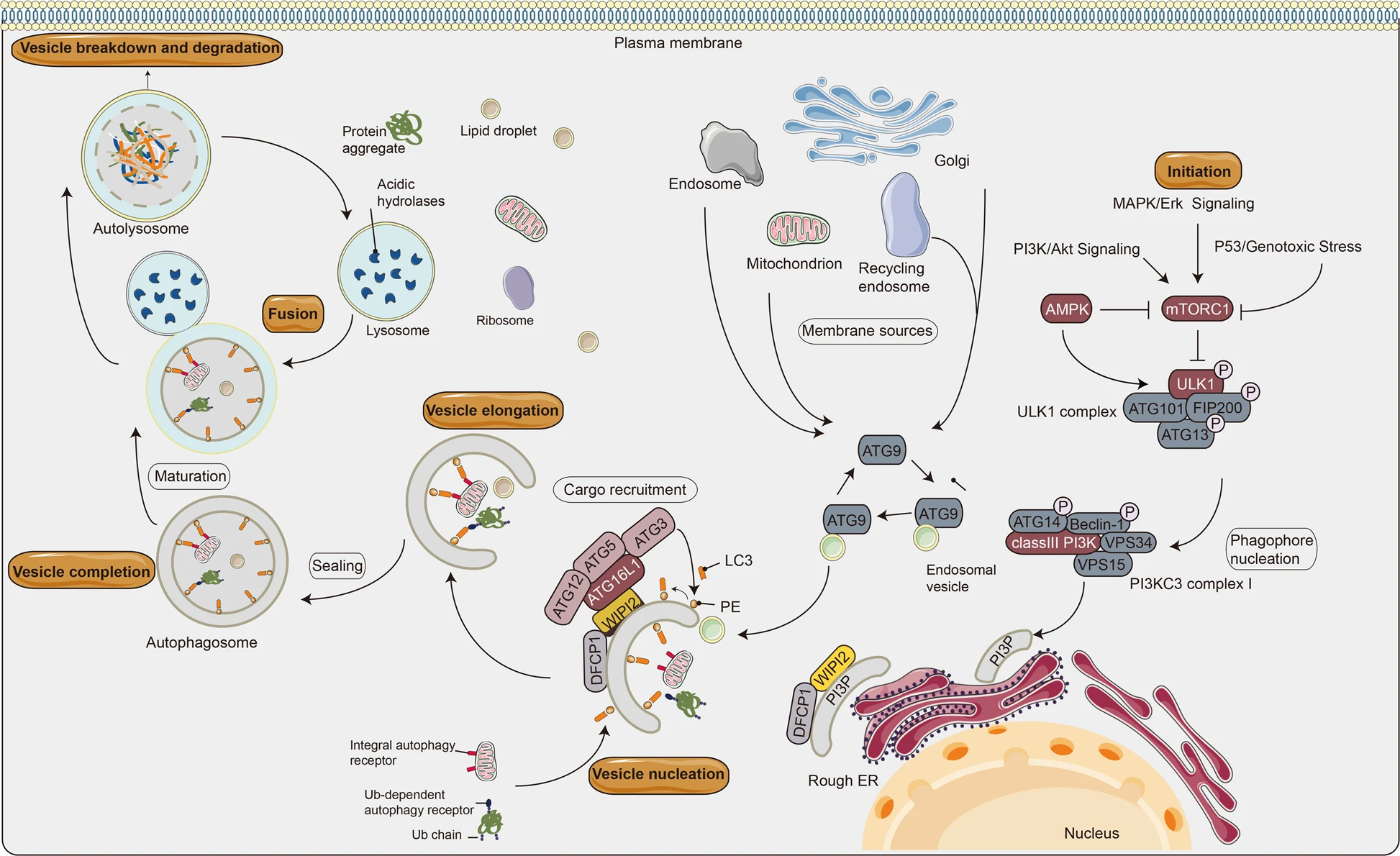
Chaperone-mediated autophagy (CMA) is a process triggering the lysosomal-mediated degradation of specific protein targets. CMA is induced by a variety of stresses, including starvation, genotoxic insults, oxidative stress, and hypoxia.
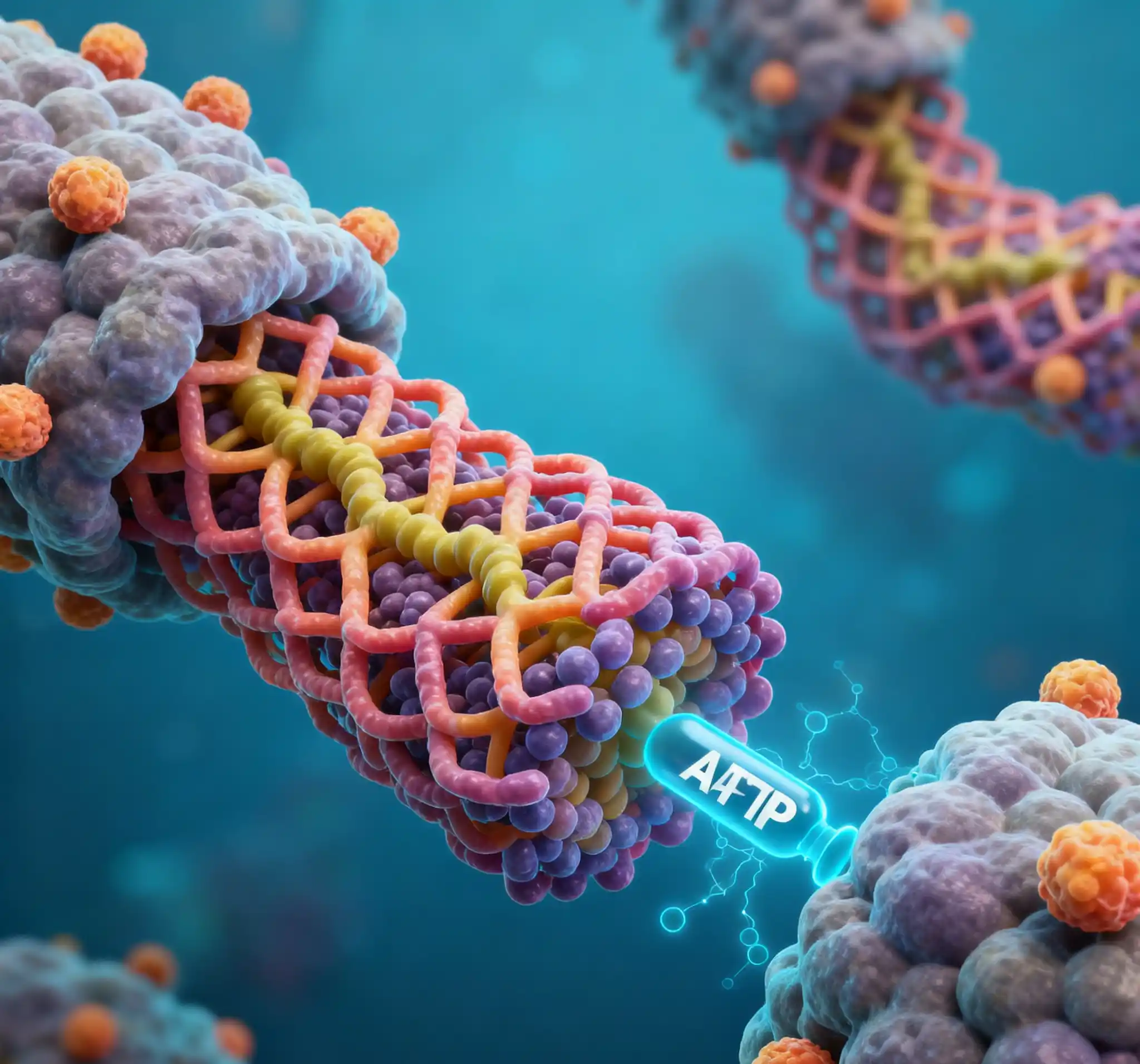
ATP-dependent chromatin remodeling complexes play an essential role in the regulation of various nuclear processes, such as gene expression, DNA replication, and repair. The SWI/SNF chromatin remodeling complex consists of more than 10 subunits with a single molecule of the ATPase catalytic subunit BRM or BRG1, but not both. The activities of these two subunits drive the disruption of histone-DNA contacts that lead to changes in accessibility of crucial regulatory elements within chromatin.
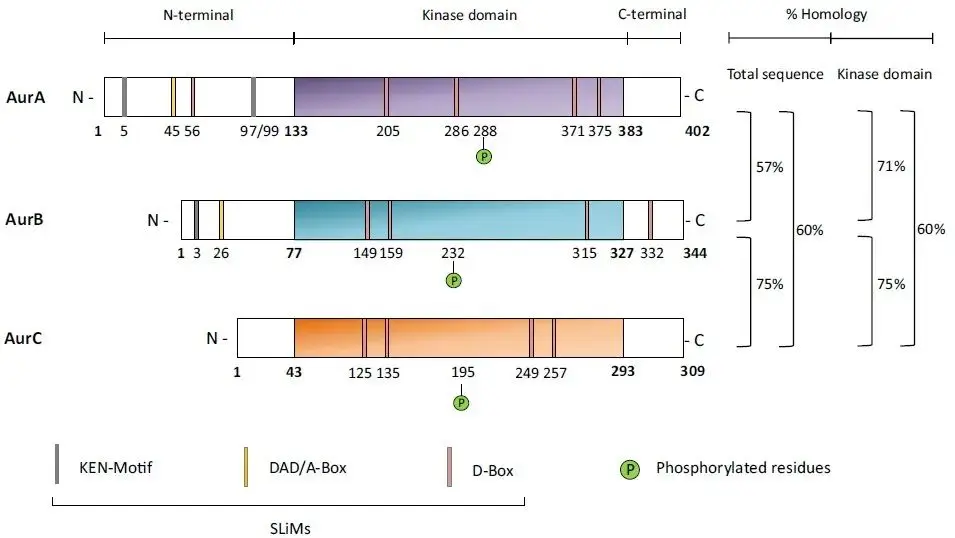
Aurora kinases belong to a highly conserved family of mitotic serine/threonine kinases with three members identified among mammals: Aurora A, B, and C. Studies on the temporal expression pattern and subcellular localization of Aurora kinases in mitotic cells suggest an association with mitotic structure.
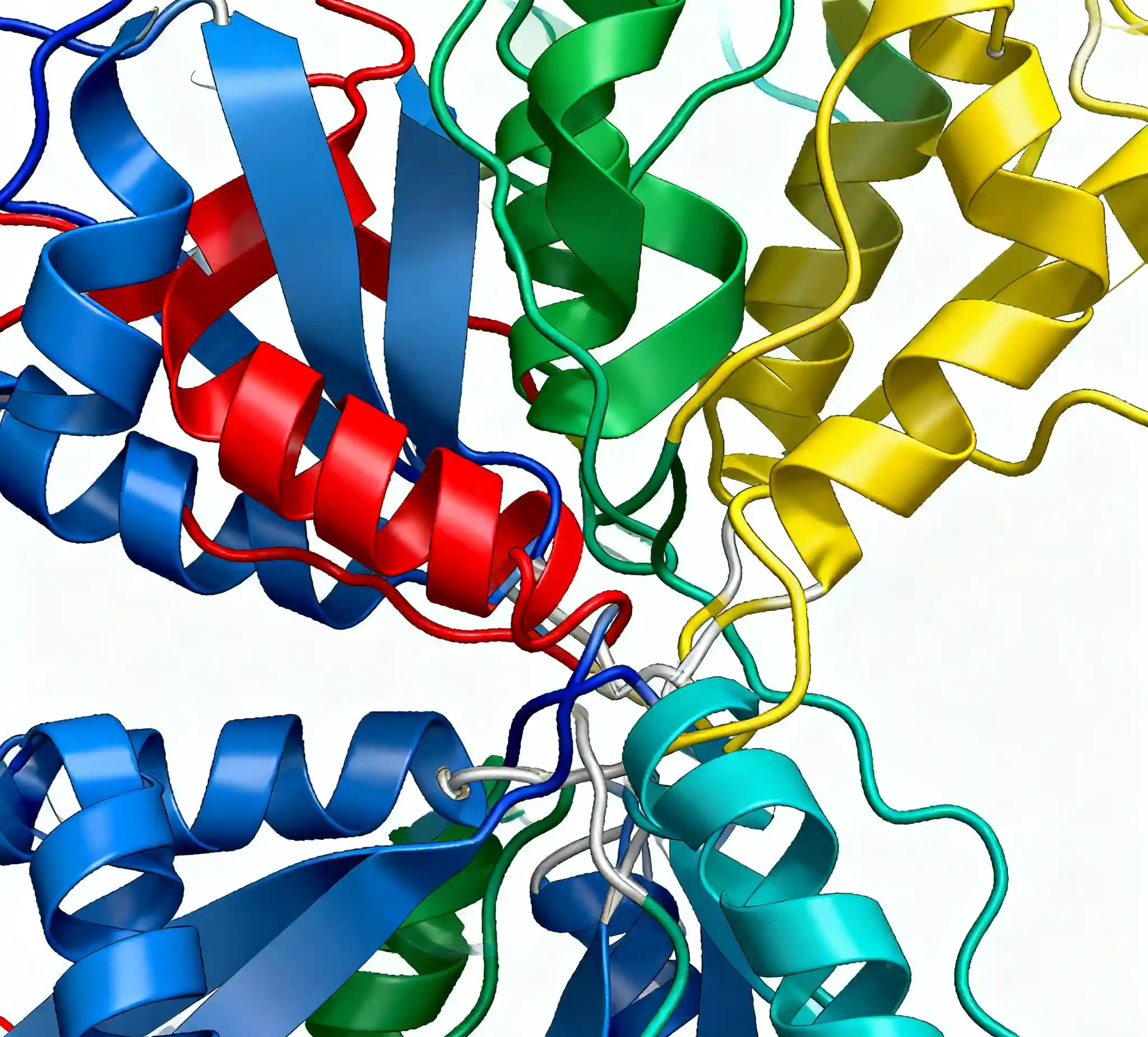
α-thalassemia/mental retardation X-linked (ATRX) is a transcriptional regulator and helicase that belongs to the SNF2 family of chromatin remodeling proteins. Together with its binding partner death-associated protein 6 (Daxx), ATRX acts as histone chaperone to deposit histone variant H3.3 at repetitive DNA sequences such as telomeric, pericentric, and ribosomal gene repeats.
Astrocytes are the most prevalent type of glial cell in the CNS and are found within the brain and spinal cord. In a healthy nervous system, astrocytes play essential roles in development, regulation of blood flow (by supporting endothelial cells in the blood brain barrier), synaptic transmission and function, and energy and metabolism (by providing nutrients to neurons and synthesizing certain neurotransmitters). The loss or abnormal function of astrocytes is implicated in a wide variety of neurodegenerative disease processes. Chronic activation of astrocytes results in the formation of lesions similar to those observed in Alzheimer’s Disease and Huntington’s Disease. Some useful astrocyte markers include GFAP and ALDH1L1.