
外泌体
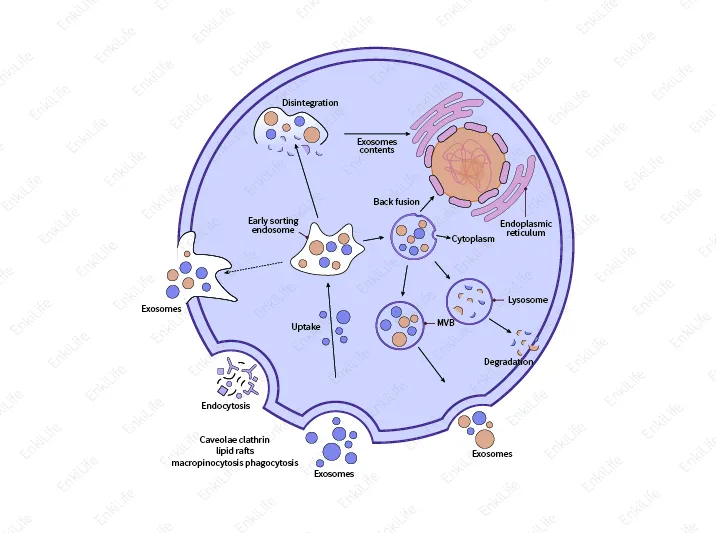
In the world of cells, there exists a mysterious "messenger" that, despite its minuscule size, plays a crucial role in cellular communication. These are exosomes— the "secret weapon" of intercellular signaling.

DNA mismatch repair (MMR) is a highly conserved genome maintenance mechanism that identifies and corrects base mismatches generated during DNA replication, playing a vital role in maintaining genomic stability. This paper systematically introduces the core components and molecular processes of the eukaryotic MMR pathway, clarifies the correlation between MMR deficiency (dMMR) and microsatellite instability (MSI), and expounds the important relationship between dMMR/MSI status and Lynch syndrome as well as tumor immunotherapy response. In addition, a variety of specific antibodies targeting key MMR proteins (MSH2, MLH1, MSH6, PMS2, Exo1) are listed, which provide reliable experimental tools for the detection of MMR protein expression and functional research.
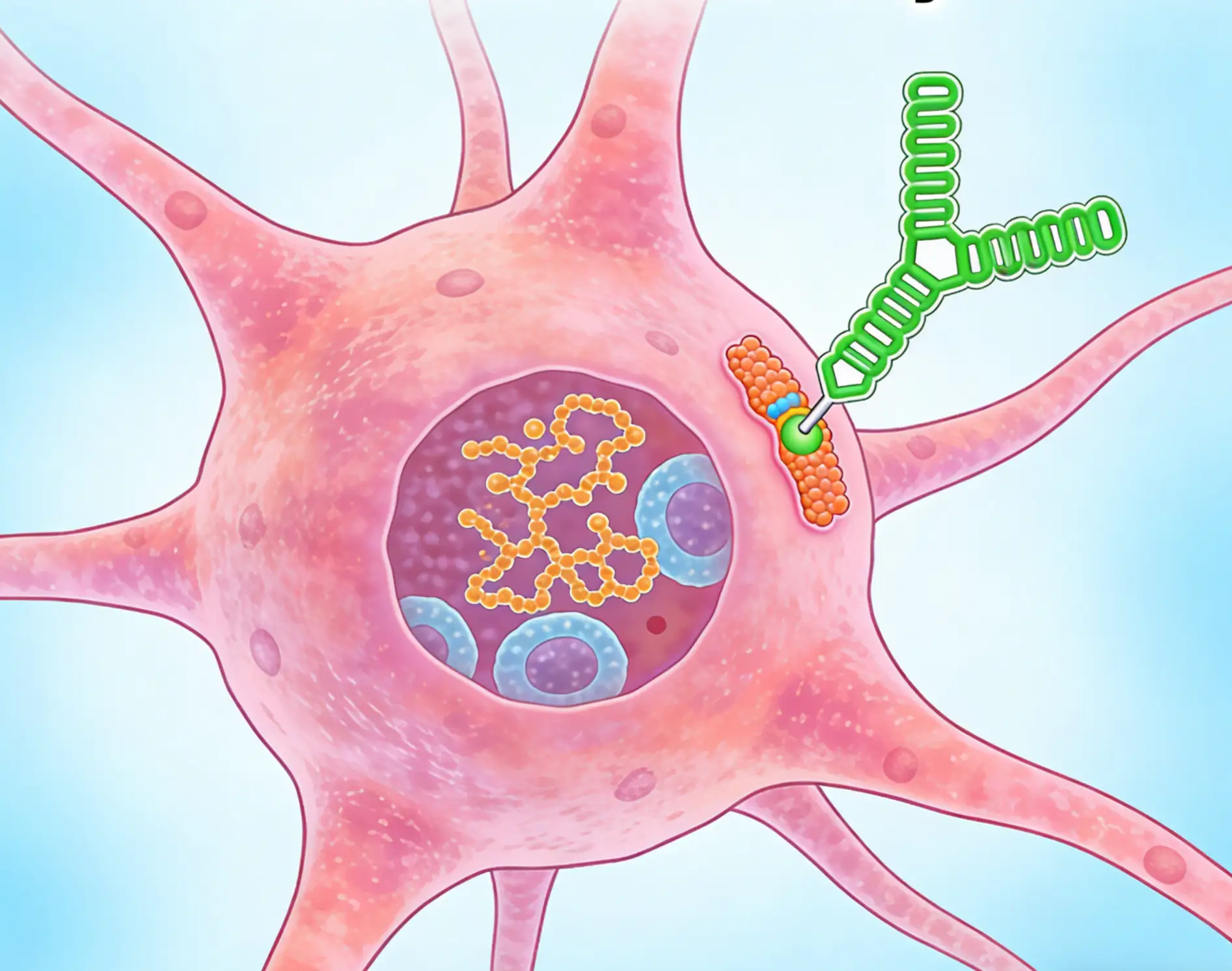
cMicroglia, as the resident immune cells in the central nervous system, exhibit distinct activation states under pathological conditions such as neurological diseases and aging, which are closely associated with neurodegeneration, inflammatory response and other processes. This paper systematically elaborates the classification of microglial activation states identified by RNA-seq technology, and summarizes the core molecular markers of microglia, including CD68, Galectin-3, Cathepsin B, HIF-1α and Axl, as well as their biological functions in phagocytosis, inflammatory regulation and neuronal injury. Meanwhile, a variety of commercial antibodies suitable for experimental detection of the above markers are collated, covering their application scenarios such as Western blot (WB), immunohistochemistry (IHC) and immunofluorescence (IF). This study provides a reference for the selection of specific detection tools and related basic research on microglial activation in neurological disease models.
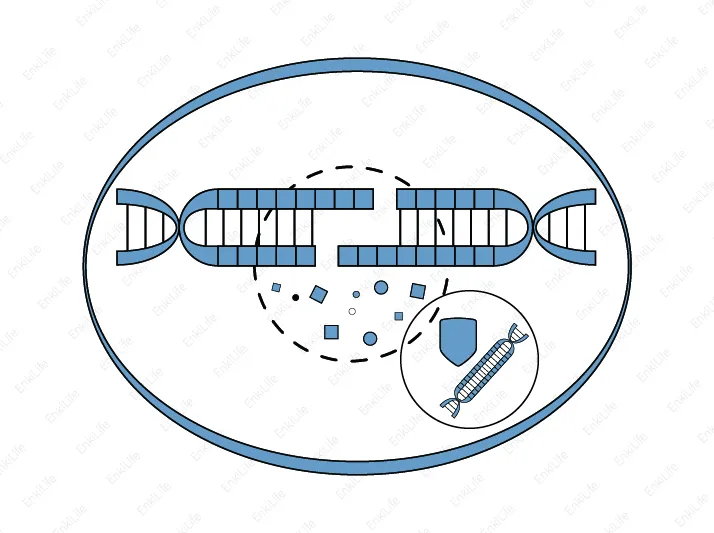
Our DNA is the treasure trove of genetic information, but it's actually quite "fragile." It can be damaged by ultraviolet rays, radiation, chemical substances, and even metabolic by-products within the cell. If DNA damage is not repaired in time, it can lead to abnormal cell function and even cancer.
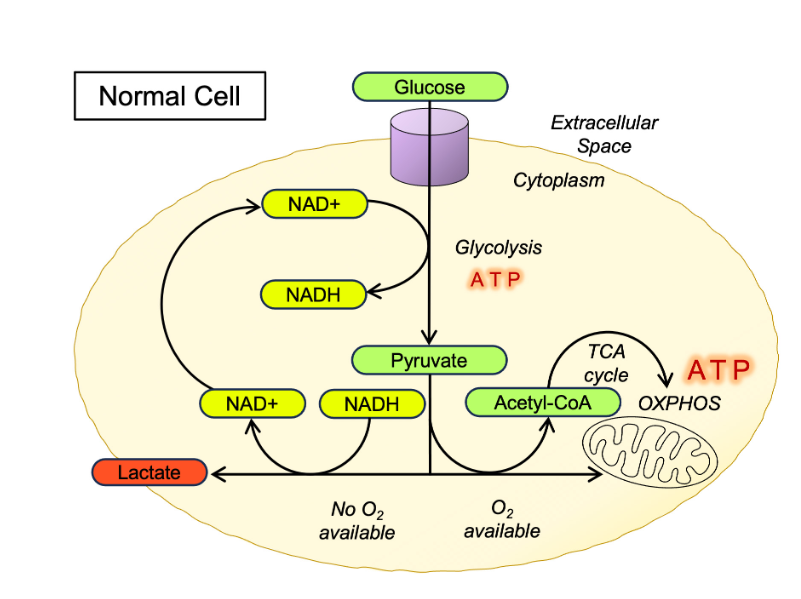
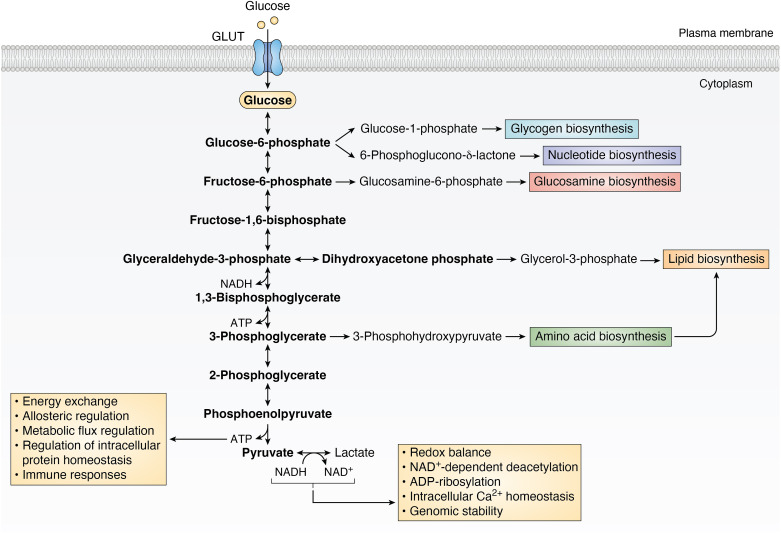
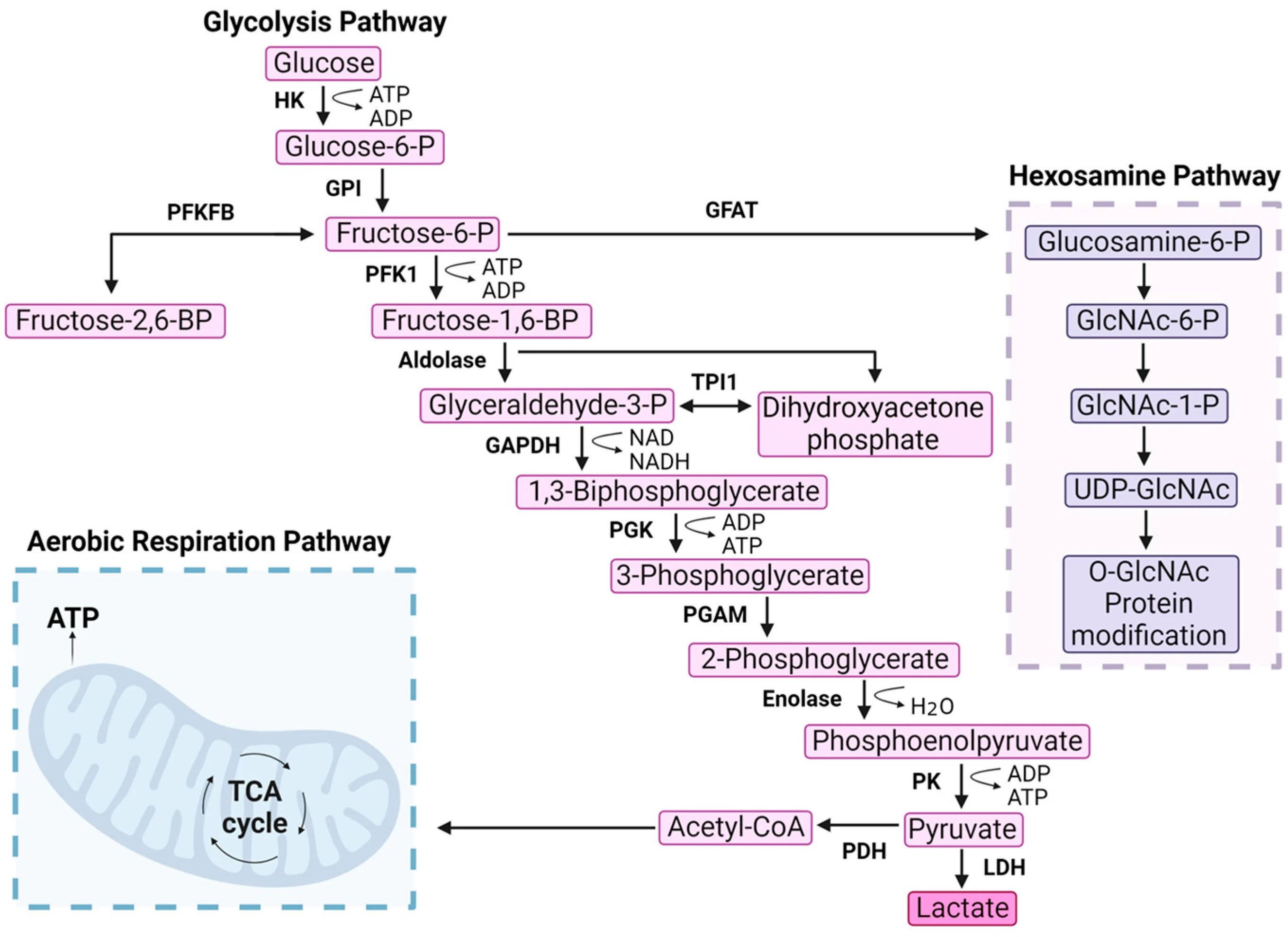
Glycolysis Glycolysis is the metabolic process by which glucose is converted to pyruvate in a sequence of enzymatic steps. Hexokinase catalyzes the conversion of glucose to glucose-6-phosphate, the first step in glycolysis. Hexokinases I, II, and III are associated with the outer mitochondrial membrane and are critical for maintaining an elevated rate of aerobic glycolysis in cancer cells (Warburg effect).
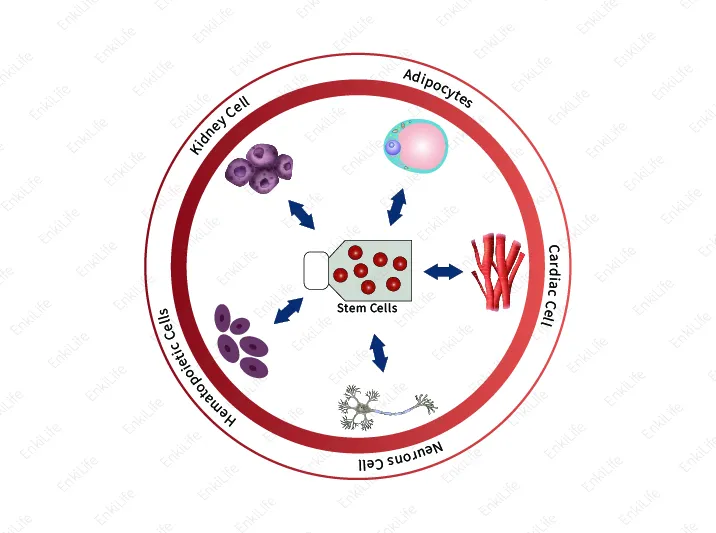
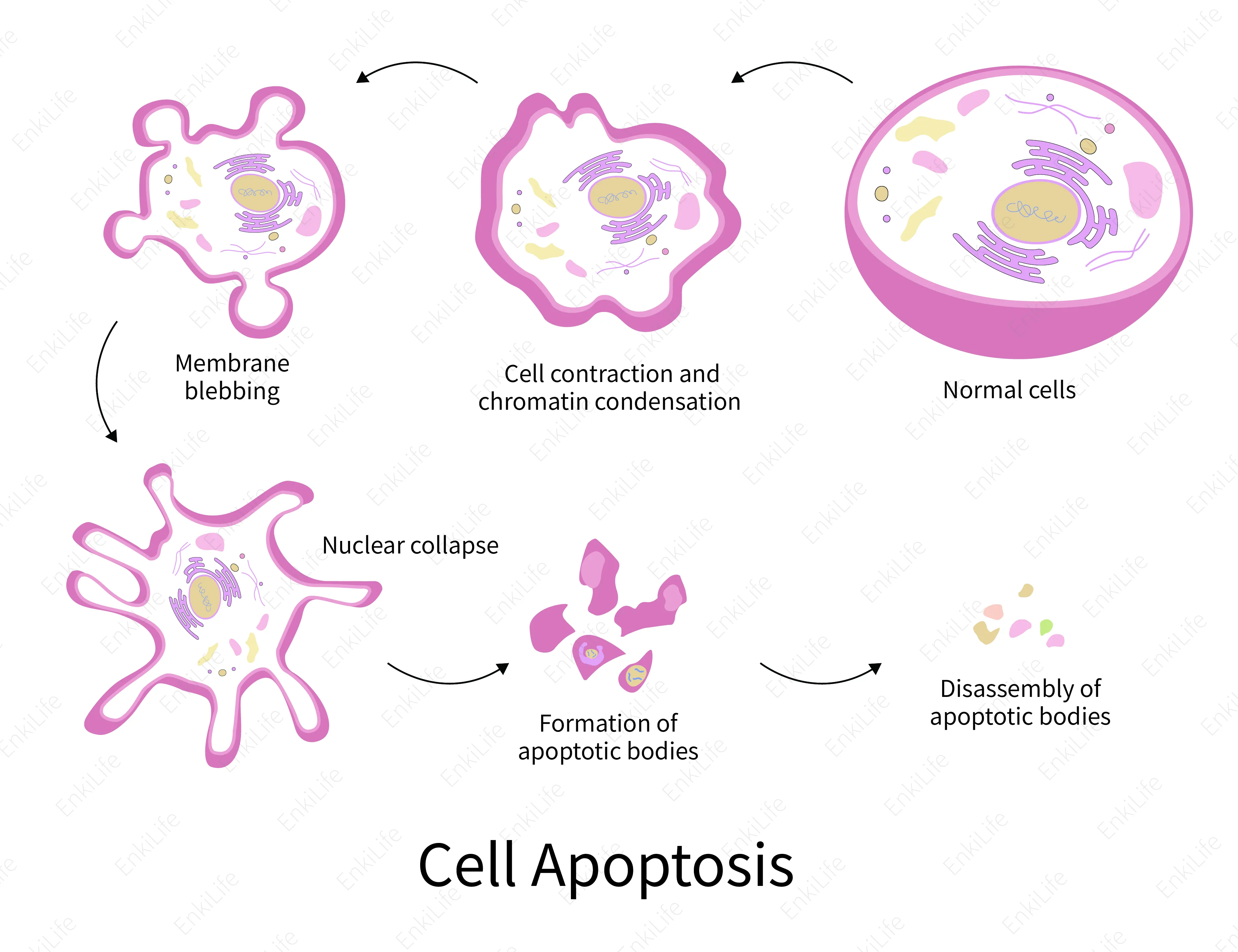
Cell proliferation is an important concept in cell biology, referring to the process by which cells increase in number through division. It is the foundation for the growth, development, reproduction, and tissue repair of living organisms. Below is a detailed introduction to cell proliferation:
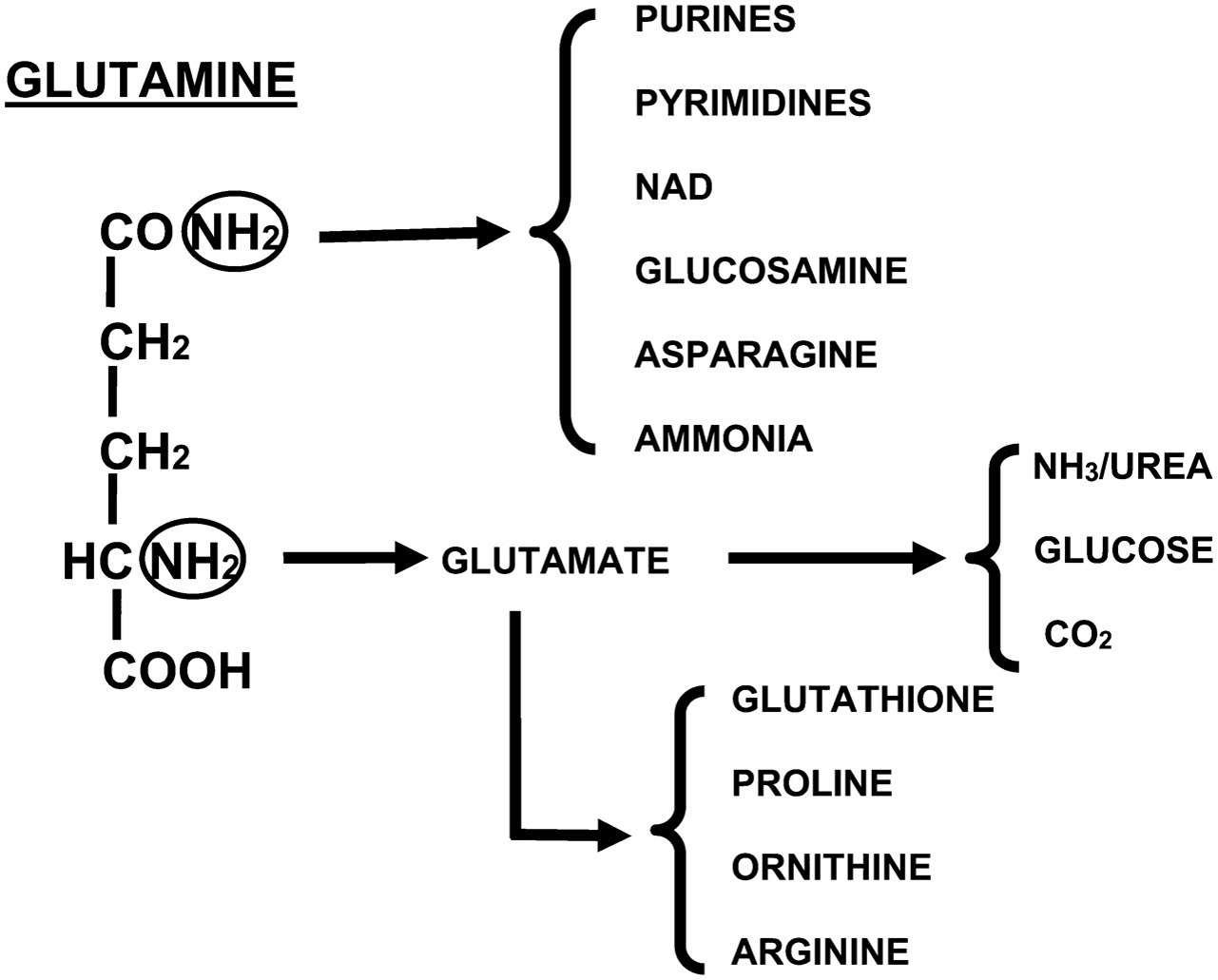
Glutamine metabolism is a pivotal process in cellular physiological activities, closely linked to tumor growth, energy homeostasis, and disease pathogenesis. This paper focuses on key molecules in the glutamine metabolic pathway, including the glutamine transporter ASCT2 (SLC1A5), rate-limiting enzymes GFAT1/GFAT2, glutaminases GLS1/GLS2, glutamate dehydrogenase, GOT1, and ASNS. It elaborates on their biological functions, catalytic mechanisms, and regulatory roles in processes such as hexosamine biosynthesis, glutaminolysis, and redox balance. In addition, the correlation between abnormal expression of these molecules and diseases such as cancer, hyperglycemia, and insulin resistance is discussed. Relevant antibodies for experimental research are listed to provide a theoretical reference and experimental tool support for the study of glutamine metabolism and its targeted therapy.