
免疫组化双染技术及临床应用探析
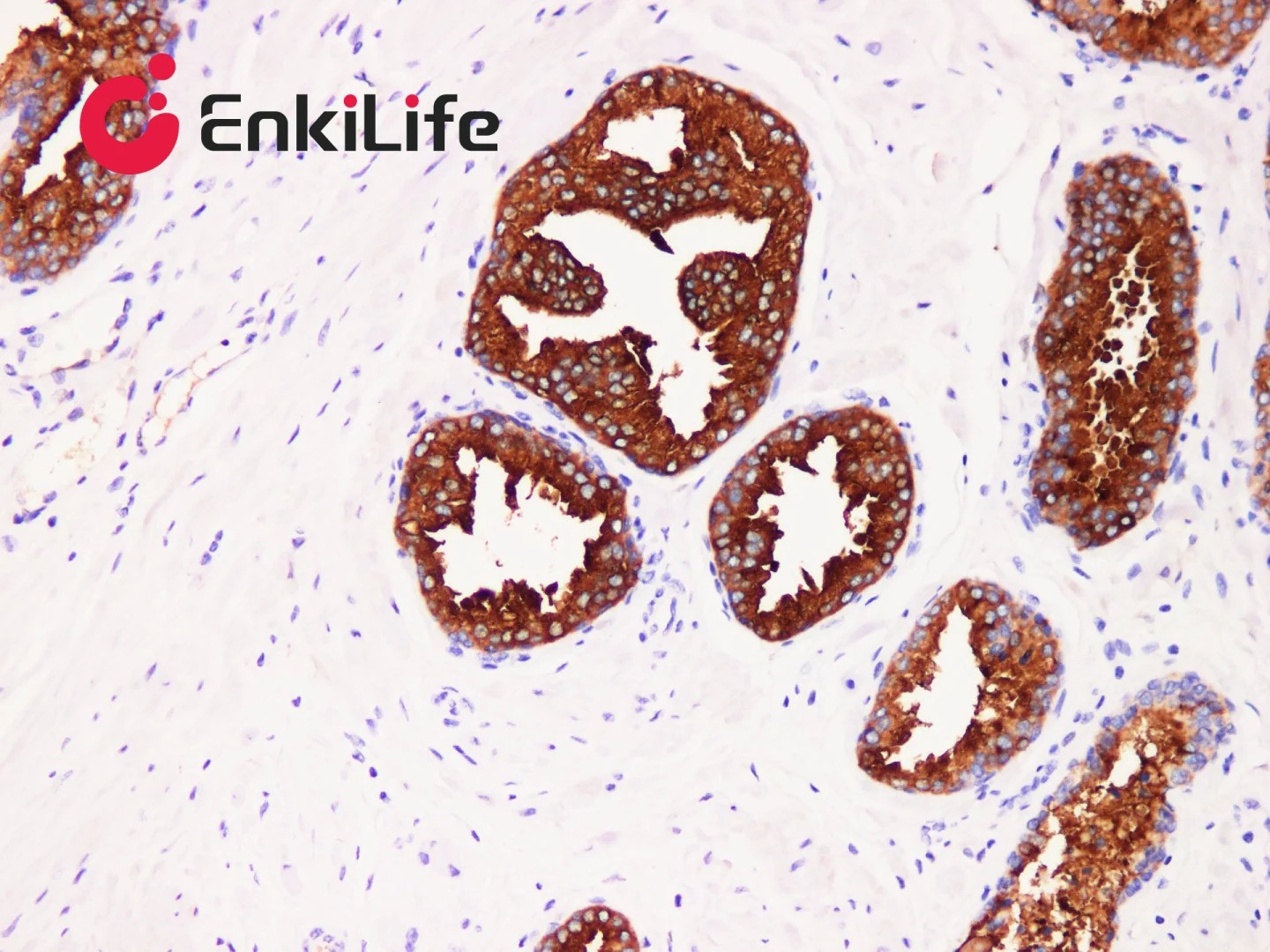
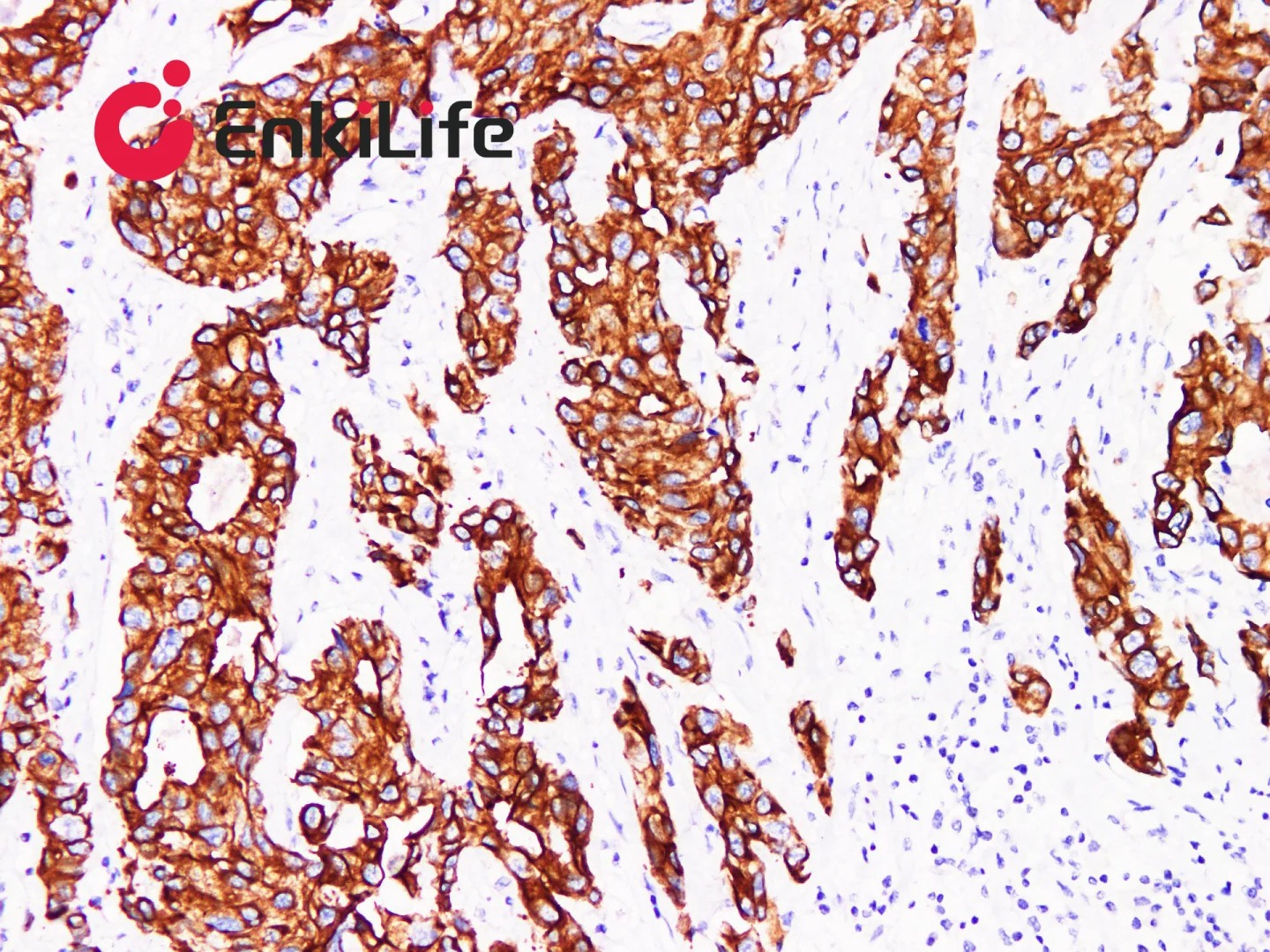
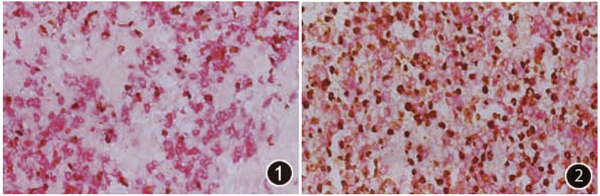
免疫组化双染(双重免疫组化染色,Double IHC)是在常规单一免疫组化染色基础上升级的病理检测技术,核心是在同一张组织切片(石蜡切片/冷冻切片)中,同时特异性标记、定位两种不同的靶抗原,通过两种对比度鲜明的显色体系区分信号,可以直观展现两种蛋白的表达位置、表达水平及共定位关系,跟荧光方式最大的不同就是不需要合并图片,肉眼即可发现两个蛋白颜色之不同,且可以永久保存,不用担心信号降解的问题。
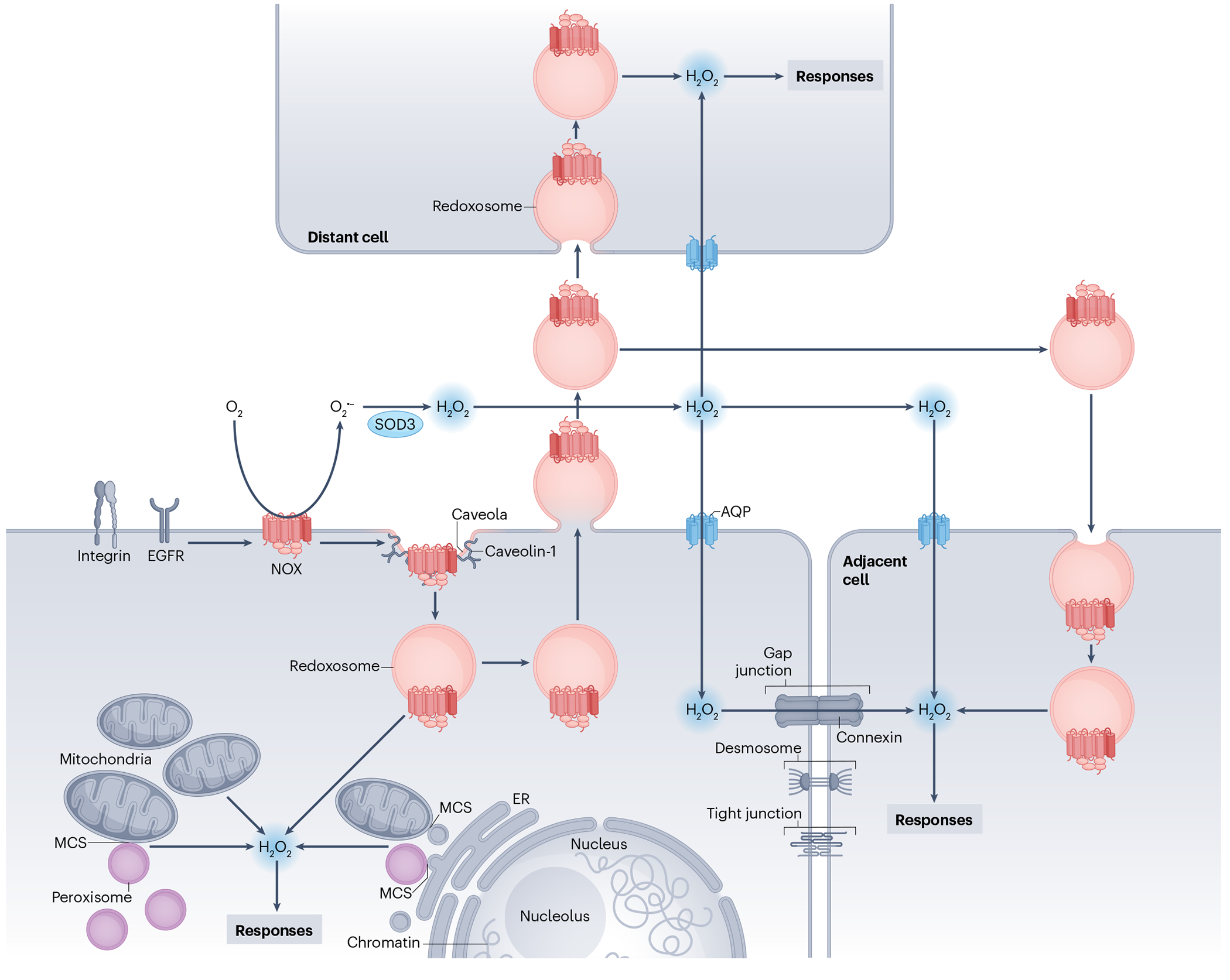
Redox homeostasis denotes the maintenance of the balance between oxidants and antioxidants. Although excessive oxidant production causes oxidative damage to cellular biomolecules and results in oxidative distress, lack of adequate oxidant levels impairs crucial signalling processes and results in reductive distress.
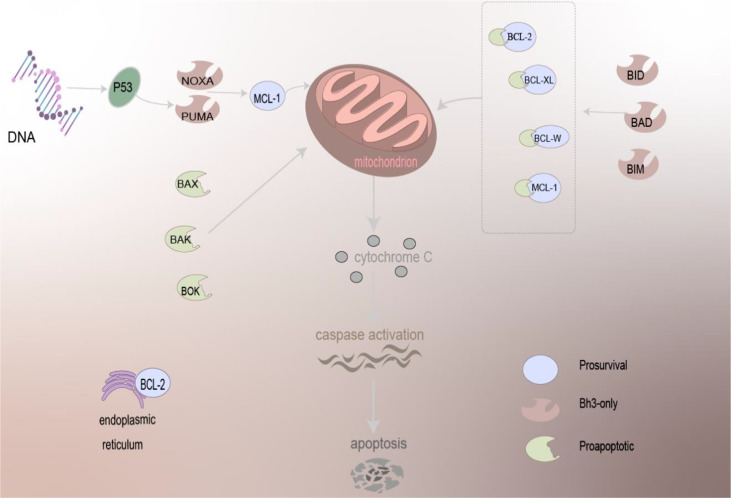
The Bcl-2 family consists of a number of evolutionarily conserved proteins containing Bcl-2 homology domains (BH) that regulate apoptosis through control of mitochondrial membrane permeability and release of cytochrome c. Four BH domains have been identified (BH1-4) that mediate protein interactions. The family can be separated into three groups based upon function and sequence homology: pro-survival members include Bcl-2, Bcl-xL, Mcl-1, A1 and Bcl-w; pro-apoptotic proteins include Bax, Bak and Bok; and "BH3 only" proteins Bad, Bik, Bid, Puma, Bim, Bmf, Noxa and Hrk. Interactions between death-promoting and death-suppressing Bcl-2 family members has led to a rheostat model in which the ratio of pro-apoptotic and anti-apoptotic proteins controls cell fate. Thus, pro-survival members exert their behavior by binding to and antagonizing death-promoting members. In general, the "BH3-only members" can bind to and antagonize the pro-survival proteins leading to increased apoptosis. While some redundancy of this system likely exists, tissue specificity, transcriptional and post-translational regulation of many of these family members can account for distinct physiological roles.