
ELISA故障排除指南
High background No signal Too much signal - whole plate turned uniformly blue Standard curve achieved but poor discrimination between points Poor duplicates Poor assay to assay reproducibility No signal when a signal is expected, but standard curve looks fine Samples are reading too high, but standard curve looks fine Very Low Readings Across the Plate Green color develops upon addition of stop solution when using streptavidin-HRP Edge Effects
乙酰化组蛋白
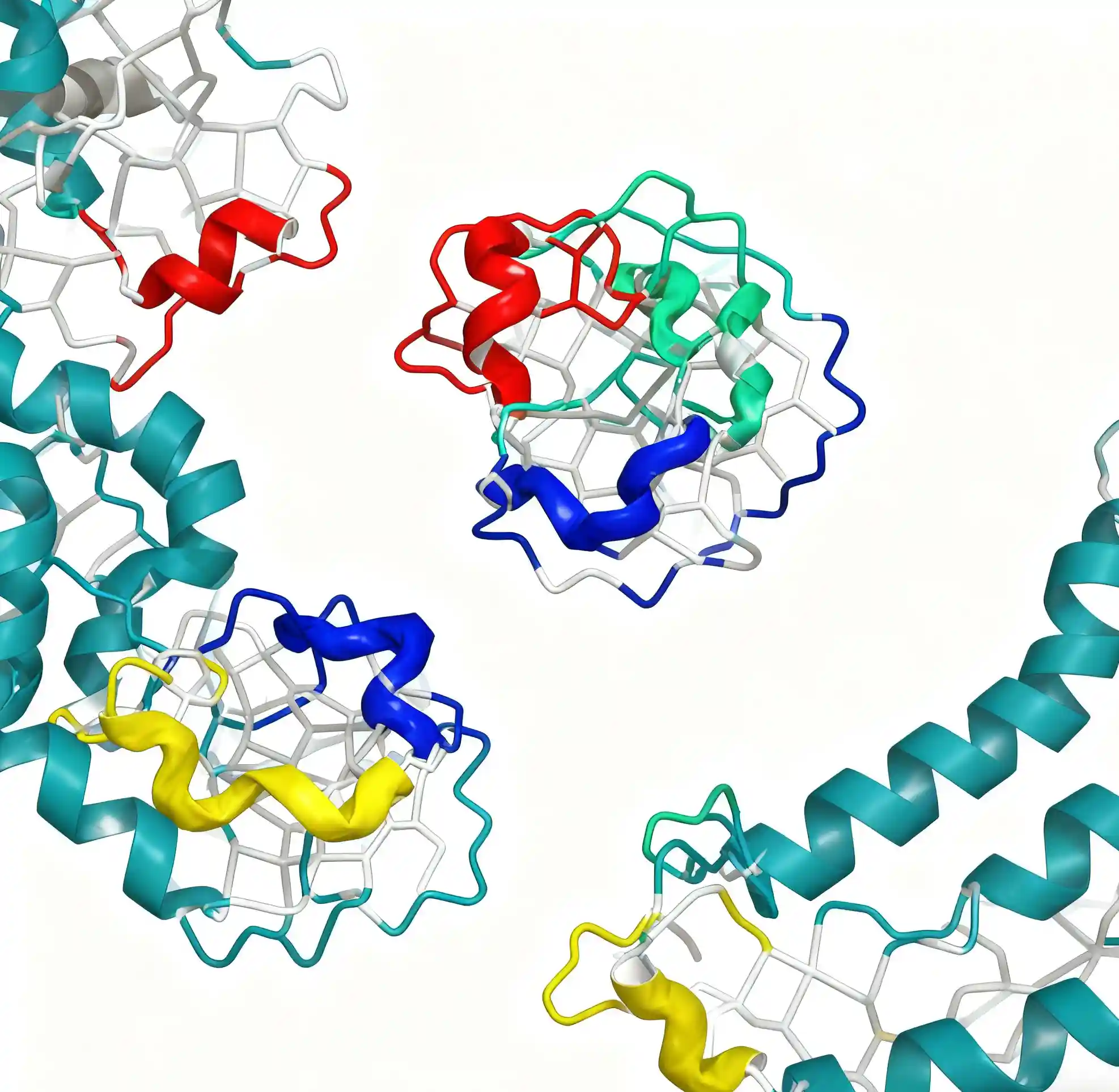
Lysine acetylation is a reversible post-translational modification that plays a crucial role in regulating protein function, chromatin structure, and gene expression[1]. Many transcriptional coactivators possess intrinsic acetyltransferase activity, while transcriptional corepressors are associated with deacetylase activity[2]. In response to signaling pathways, acetylation complexes (such as CBP/p300 and PCAF) or deacetylation complexes (such as Sin3, NuRD, NCoR, and SMRT) assemble to bind to DNA-bound transcription factors (TFs).
VEGF家族(GMP级)
The vascular endothelial growth factor (VEGF) family comprises five secreted homodimeric glycoproteins—VEGF-A, VEGF-B, VEGF-C, VEGF-D and placental growth factor (PlGF)—that selectively bind to VEGFR-1, -2, -3 and the co-receptors neuropilin-1/2, thereby orchestrating angiogenesis, lymphangiogenesis and vascular permeability.
TGF家族(GMP级)
The Transforming Growth Factor (TGF) family comprises a group of structurally related cytokines, including TGF-βs, bone morphogenetic proteins (BMPs), activins, and inhibins, which play essential roles in embryogenesis, immune regulation, tissue repair, and fibrosis. These proteins signal through heteromeric complexes of type I and type II serine/threonine kinase receptors, leading to the activation of Smad-dependent intracellular pathways.
乙酰辅酶A羧化酶1和2
Acetyl-CoA Carboxylase 1 and 2 Acetyl-CoA carboxylases (ACCs) are enzymes that catalyze the carboxylation of acetyl-CoA to produce malonyl-CoA1. In mammals, ACC1 and ACC2 are two members of ACCs. ACC1 localizes in the cytosol and acts as the first and rate-limiting enzyme in the de novo fatty acid synthesis pathway2. ACC2 localizes on the outer membrane of mitochondria and produces malonyl-CoA to regulate the activity of carnitine palmitoyltransferase 1 (CPT1) that involves in the β-oxidation of fatty acid. Fatty acid synthesis is central in a myriad of physiological and pathological conditions3.
FGF家族(GMP级)
The Fibroblast Growth Factor (FGF) family comprises a group of structurally related signaling proteins that play crucial roles in embryonic development, cell proliferation, differentiation, migration, angiogenesis, tissue repair, and metabolic regulation. In humans, the FGF family includes 18 canonical members (FGF1–FGF10 and FGF16–FGF23), which are classified into six subfamilies based on sequence homology and functional characteristics.