

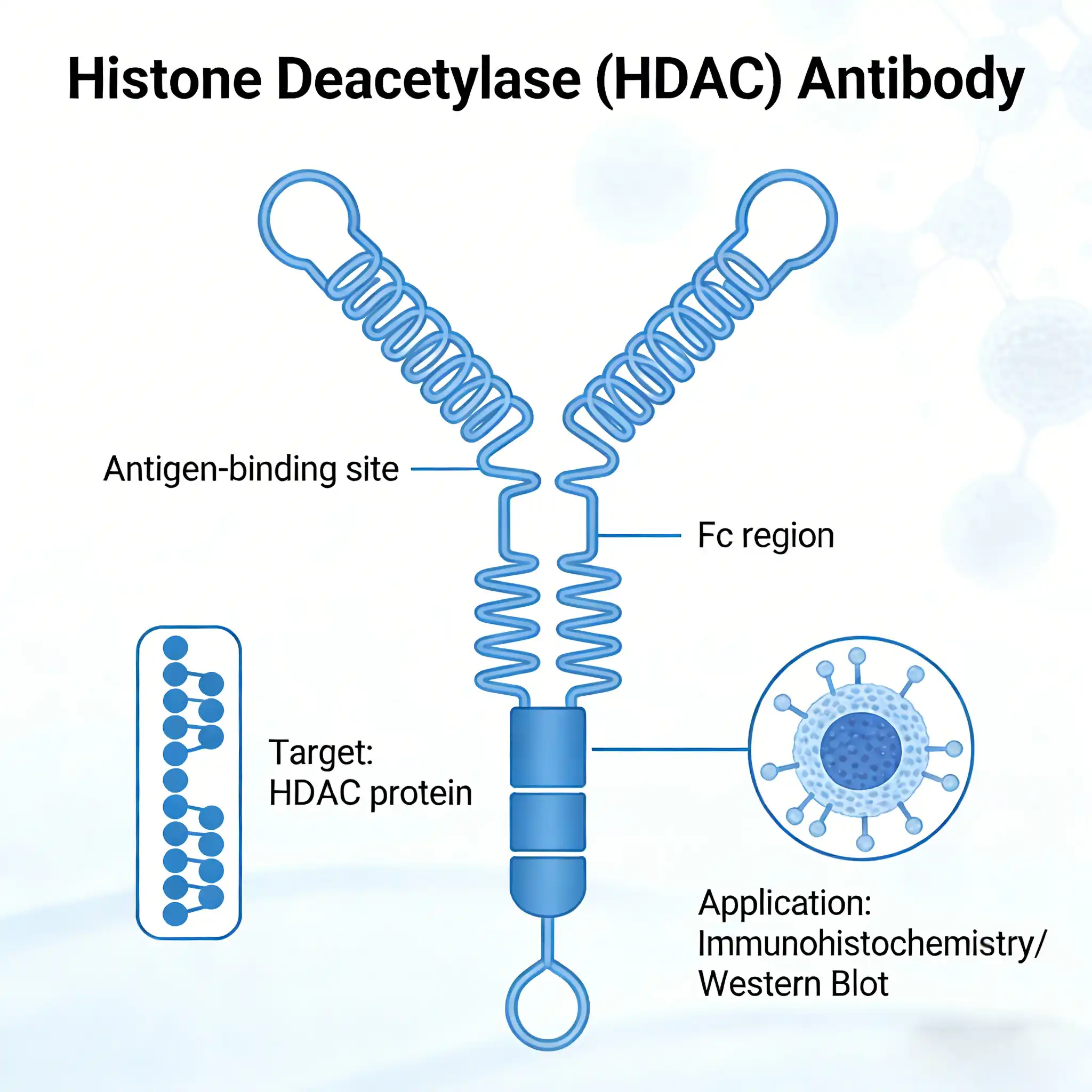
组蛋白去乙酰化酶抗体
Acetylation of the histone tail causes chromatin to adopt an "open" conformation, allowing increased accessibility of transcription factors to DNA. The identification of histone acetyltransferases (HATs) and their large multiprotein complexes has yielded important insights into how these enzymes regulate transcription (1,2).
范可尼贫血
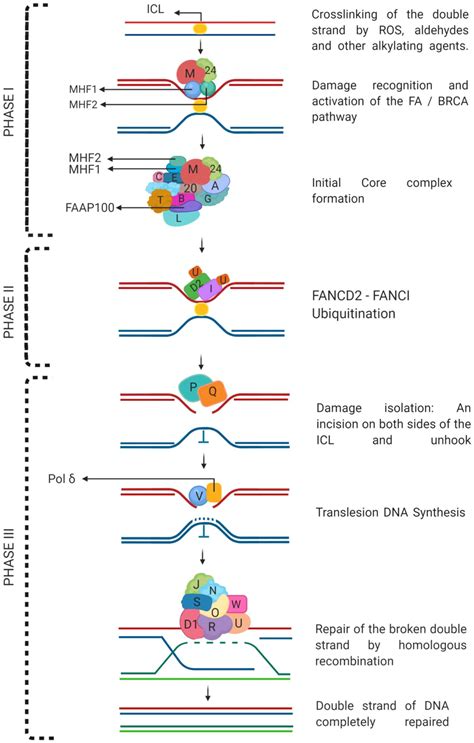
Fanconi anemia (FA) is an autosomal recessive genetic disorder resulting in symptoms that include chromosomal breakage, bone marrow failure, hypersensitivity to DNA cross-linking agents (such as mitomycin C), and a predisposition to cancer (1). In response to DNA damage, the FA nuclear complex (FANCA, FANCB, FANCC, FANCE, FANCF, FANCG, FANCM) induces mono-ubiquitination of FANCD2 and FANCI (2). Monoubiquitination of FANCD2 induces localization of FANCD2 to sites of DNA damage, where it interacts with BRCA1. FANCJ/BRIP1, FANCD1/BRCA2, and FANCN/PALB2 are also recruited to sites of DNA damage (3).