
人反应性炎症细胞因子抗体
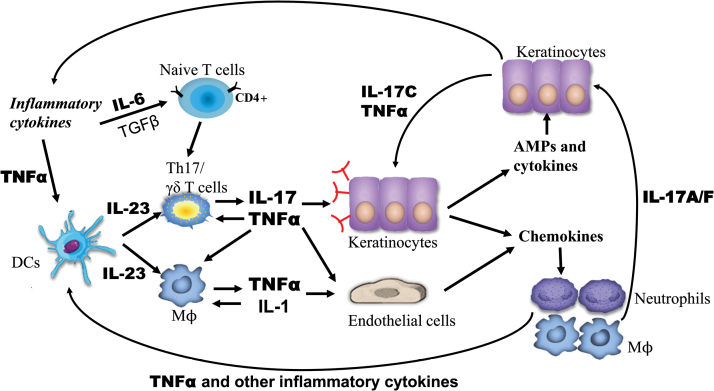
Interleukin-1 alpha (IL-1α) and interleukin-1 beta (IL-1β) are pro-inflammatory cytokines (1). IL-1α is produced by many cell types, including epithelial cells, monocytes, and macrophages (1,2). It is typically sequestered but can be released during necroptosis or inflammasome activation (3-5). IL-1α is active in both its uncleaved (pro-IL-1α) and cleaved forms and thus acts as an alarmin, initiating signaling through IL-1R1 (6). IL-1β is not active until it is cleaved (7,8). IL-1β expression is induced by inflammatory stimuli, including TLR ligands, IL-1β itself, and tumor necrosis factor-alpha (TNF-α) (1,9,10). IL-1β is primarily synthesized by activated monocytes and macrophages. It activates innate immune cells and polarizes CD4+ T cells toward T helper (Th) 1 and Th17 cells (10).